Is Claude AI Worth It? A Deep Dive into Pricing and Performance
Unlock the full potential of Claude AI with our step-by-step beginner's guide. Additionally, learn how to access Claude AI's latest models via Enter Pro. Start coding today!
The landscape of artificial intelligence is evolving. At the forefront of this revolution is Anthropic's Claude AI. In this guide, we will explore everything you need to know about this powerful AI and how to use it with Enter Pro.
What is Claude code?
At its core, Claude is a family of highly advanced large language models (LLMs) developed by Anthropic, a pioneering AI research company founded by a group of former OpenAI researchers. These researchers left to build an AI system that prioritized safety, reliability, and deep reasoning over simple conversational novelty.
Anthropic's core philosophy revolves around "Constitutional AI". This is a unique training method that provides the AI with a set of explicit rules and principles (a "constitution") to follow. As a result, Claude is widely recognized for generating outputs that are generally safer, more grounded, and less prone to hallucinations or harmful content than some competitors. It doesn't just guess; it reasons through its answers.
Over the years, the model has seen rapid evolution. From the highly efficient Claude 3.5 Sonnet to the deeply intelligent Opus models, and now into the bleeding-edge architectures like Claude 4.5 and 4.6 available via API, the model has continually pushed the boundaries of what machine intelligence can achieve, particularly in the realm of complex problem-solving.
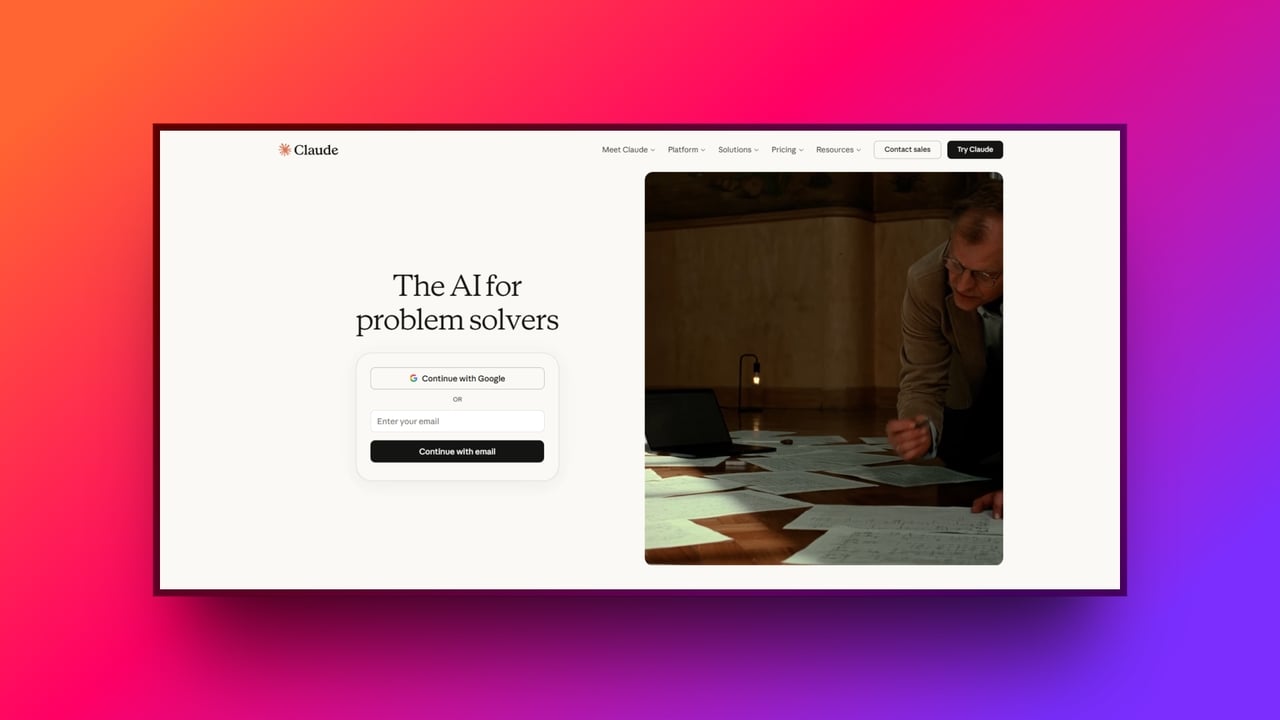
Key capabilities that set Claude Code AI coding assistant apart
Before diving into how much it costs or how it compares to others, it is crucial to understand exactly what makes Claude AI so special. The following are the five defining traits that separate it from the rest of the pack.
- Massive context windows
Perhaps Claude's most famous feature is its industry-leading ability to remember and process vast amounts of information simultaneously. With a context window that often exceeds 200,000 tokens, it can read entire books, parse years of financial records, or ingest massive, complex codebases in a single prompt. It doesn't just skim; it comprehends the holistic context of massive documents.
- Nuanced, human-like writing
When it comes to natural language processing, Claude is widely considered the best model for generating text that doesn't sound artificially generated. It possesses superior tone matching, an expansive vocabulary, and a creative writing flair that easily mimics human nuance, making it the favorite tool for copywriters and content creators.
- Advanced logical reasoning and mathematics
Claude excels at breaking down complex, multi-step problems. Whether it is solving advanced mathematical equations, structuring logic for a backend database, or organizing messy data sets, its deep reasoning capabilities make it an invaluable asset for researchers, data analysts, and developers.
- Vision and multimodal analysis
The AI isn't limited strictly to text. Its powerful vision capabilities allow it to accurately analyze complex images, read and interpret intricate data charts, transcribe messy handwritten notes, and most impressively for developers, turn visual UI wireframes and mockups directly into functional frontend code.
- Top-tier coding proficiency
For developers, Claude's zero-shot coding accuracy is legendary. It doesn't just write snippets; it understands system architecture. Its ability to debug complex logic errors, refactor legacy code, and write robust testing suites sets the stage for its ultimate form as an autonomous coding agent.
Claude AI pricing & accessibility: free vs. paid
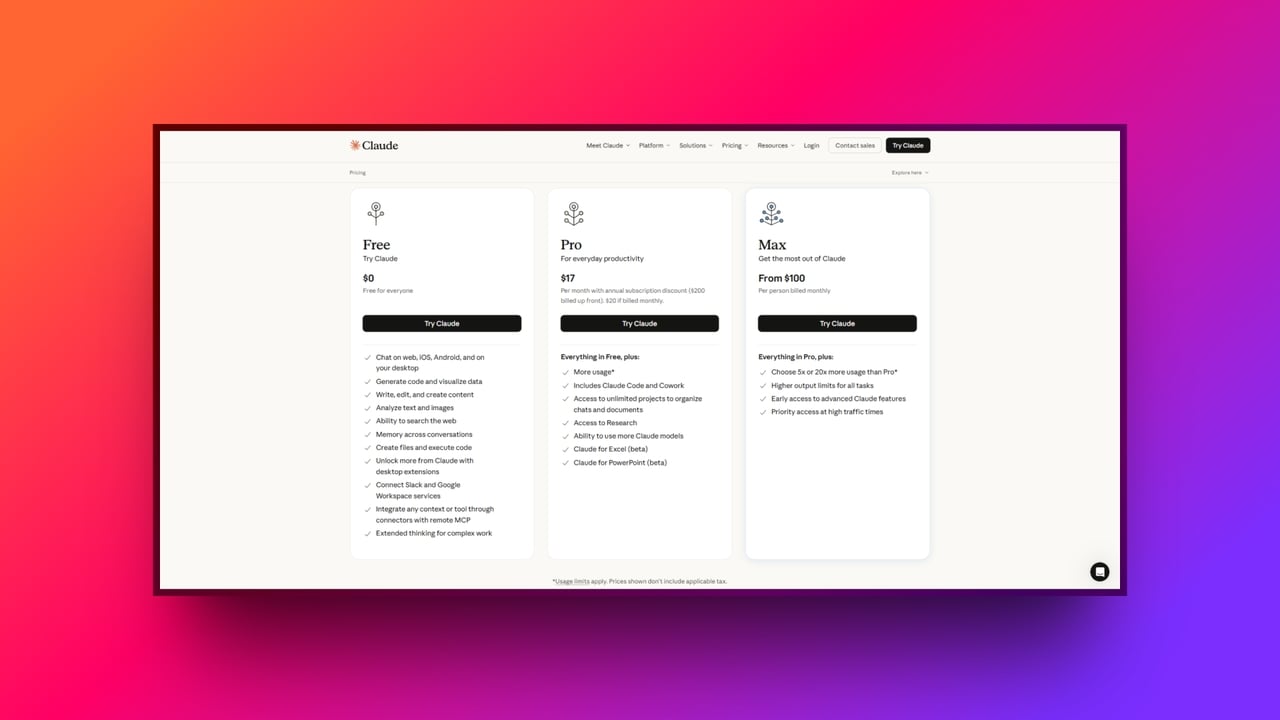
Understanding the cost structure is essential for teams looking to integrate Claude into their workflows. Anthropic offers a free tier accessible via their web interface. This tier is suitable for basic tasks and brainstorming, though it enforces daily usage limits and restricts access to the most advanced models. For professional use, Claude Pro is available via subscription.
| Tier | Price | Key Features | Best For |
|---|---|---|---|
| Free Tier | $0 | ||
| Access to standard models, web interfaces, and daily message limits. | Casual use, light writing, and basic inquiries. | ||
| Claude Pro | $20 / month | Increased usage limits, access to premium models (Opus, 4.5, 4.6), and priority access. | Heavy professional use and software development. |
| Claude Max | $100 / per person | Maximum usage limits, team workspace features, highest priority access, and expanded context retention. | Power users, development teams, and enterprise scaling. |
API access provides developers with the flexibility to build custom applications, with billing strictly based on computational usage (tokens) rather than a flat monthly fee.
Claude AI vs ChatGPT: which is better?
Whenever you discuss large language models, a comparison between industry leaders is inevitable.
ChatGPT is the pioneer from OpenAI that brought LLMs into mainstream public consciousness. It is recognized as the ultimate "all-in-one" AI toolkit, celebrated for its incredible versatility, expansive feature set, and a massive, globally integrated user ecosystem.
On the other hand is Claude AI, the formidable challenger from Anthropic. Built by former OpenAI researchers with a stringent focus on "Constitutional AI", Claude is engineered to prioritize deep reasoning, safety, and managing massive amounts of context. Rather than focusing on broad consumer features, Claude has carved out a reputation as a highly precise, logic-driven tool tailored for complex professional workflows.
Head-to-head comparison
- Context & document handling
Claude maintains a significant advantage in context retention. Its architecture enables the seamless ingestion of extensive codebases, entire books, or hundreds of documents simultaneously, without losing the conversational thread or hallucinating critical details.
While ChatGPT has substantially improved its context limits over the years, Claude has historically maintained a tighter, more reliable grasp of the nuances of massive datasets through prolonged interactions. For enterprise users and researchers dealing with heavy, complex documentation, Claude ensures that distant information remains accessible and accurate, giving it a distinct edge in comprehensive data synthesis and long-form analysis.
- Coding & development
Software development is where the distinctions between models become highly apparent. Claude is highly revered by senior engineers for complex, zero-shot coding, intricate system architecture, and deep refactoring, as it excels at understanding the interconnected logic of large-scale projects.
On the other hand, ChatGPT shines in rapid prototyping, quick scripting, and executing code natively through its Advanced Data Analysis capabilities. While ChatGPT is excellent for iterative, on-the-fly problem solving, Claude's meticulous attention to syntax and underlying application logic makes it the preferred partner for building robust, scalable software from the ground up.
- Writing style & nuance
When evaluating natural language generation, Claude is widely celebrated for its highly nuanced, human-sounding writing style. It easily adapts to specific brand voices, maintains a consistent tone, and rarely falls into repetitive phrasing, significantly reducing the need for heavy manual editing.
ChatGPT is incredibly fast and highly conversational, making it fantastic for general drafting and rapid brainstorming. However, without rigorous prompting, ChatGPT can sometimes default to a recognizable, formulaic "AI tone", heavily relying on specific transition words. Claude's textual output generally feels more organic, sophisticated, and tailored right out of the box.
- Ecosystem & multimodality
ChatGPT boasts a vastly superior native ecosystem. OpenAI has built a comprehensive suite that seamlessly integrates low-latency voice mode, real-time web browsing, DALL-E image generation, and a vast marketplace of custom GPTs directly into the platform, functioning as an all-in-one digital assistant.
Claude, while offering excellent vision capabilities for analyzing images and interpreting charts, lacks a comparable native environment for generating visual media or engaging in real-time audio conversations. For users who require a broad array of multimedia tools integrated seamlessly into a single chat interface, ChatGPT maintains a decisive and clear advantage.
Claude AI: pros & cons
-
Pros: Unmatched handling and synthesis of massive documents; unparalleled zero-shot coding and logic structuring; highly natural, expressive, and human-like writing tone.
-
Cons: Lacks a native suite of multimedia generation tools, such as built-in image creation or voice interaction features.
ChatGPT: pros & cons
-
Pros: A massive, integrated multimodal ecosystem; extremely fast execution for rapid ideation; powerful built-in code execution and data analysis tools.
-
Cons: Writing can occasionally feel formulaic or repetitive; sometimes struggles with maintaining strict coherence in extremely long context windows.
The verdict
The choice between these two platforms ultimately depends on your specific workflow.
For software engineers, researchers, and professional writers who require deep logical analysis, absolute coding precision, and nuanced text generation, Claude is the superior tool.
However, for general consumers or professionals needing a versatile, all-in-one digital assistant equipped with voice interaction, image generation, and web browsing, ChatGPT remains the most comprehensive platform available.
How to use Claude code the easy way via Enter Pro?
While Claude possesses exceptional capabilities for software engineering, leveraging its raw API or configuring local terminal environments introduces significant technical friction. That's where integrated platforms like EnterPro come into existence.
Enter Pro functions as a comprehensive no-code AI dev agent and collaborative workspace. It serves as an infrastructure wrapper for top-tier LLMs, facilitating a natural-language-driven development workflow.
By translating plain text instructions into structured logic and syntax, the platform enables users to generate fully deployed, full-stack applications. Enter Pro natively integrates the latest Claude AI architectures, including Claude 4.5 and 4.6, providing direct access to the model's advanced coding capabilities through a streamlined, visual interface.
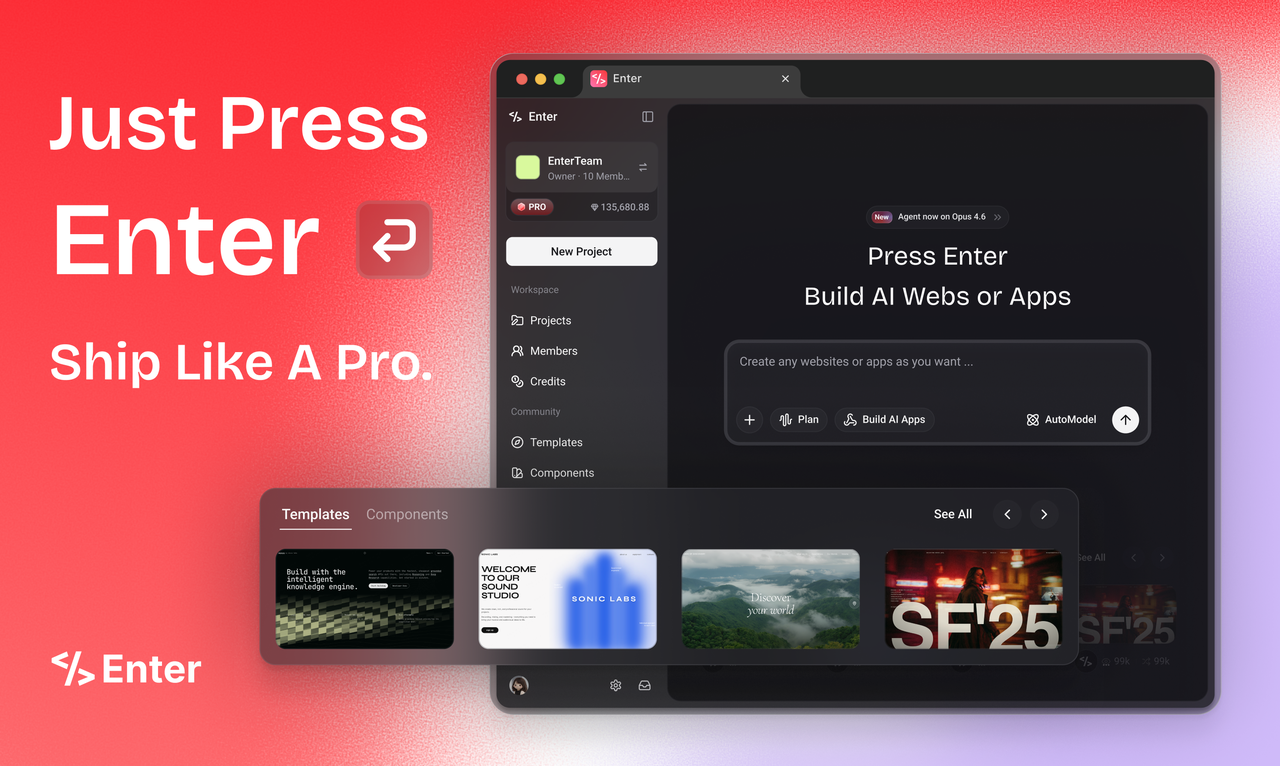
To facilitate an enterprise-grade development experience, Enter offers five core infrastructural advantages:
-
**Agnostic model architecture: **The platform avoids vendor lock-in by providing instant interchangeability between industry-leading LLMs. Users can dynamically switch between Claude 4.5, Claude 4.6, GPT-5.2, and Gemini Pro depending on specific task requirements. This ensures the application is consistently powered by optimal logic processing without the administrative burden of managing multiple API keys.
-
**Zero-configuration environment: **It eliminates the need to set up local development environments, provision servers, or monitor API rate limits. The platform's AI-native core embeds Claude directly into the workspace. Users input architectural prompts, enabling the integrated agent to perform computational generation while the user focuses on product strategy.
-
Full-stack deployment: Unlike standard web interfaces that output fragmented code snippets requiring manual assembly, it processes Claude's logical outputs to construct comprehensive, production-ready applications. The system autonomously generates the frontend UI, structures backend database operations, and executes one-click deployment, resulting in fully functional SaaS MVPs.
-
**Real-time visual editor: **To bridge the gap between text-based generation and precise UI design, Enter Pro maps the AI-generated code onto a live visual editor. Users interact directly with canvas elements to refine styling and layout structure. The underlying Claude AI instantly recalculates and updates the source code in real time, combining the speed of automated generation with the precision of manual coding.
-
**Unrestricted code ownership: **Addressing the primary limitation of traditional no-code platforms, Enter guarantees complete ownership of the generated intellectual property. Users maintain the unmitigated right to export the comprehensive source code at any stage of development. This allows teams to transition the application to custom infrastructure, ensuring long-term scalability without platform
Steps to use Claude AI via Enter Pro
To use Claude AI natively inside its platform, simply follow the suggested steps below, and you will be good to go.
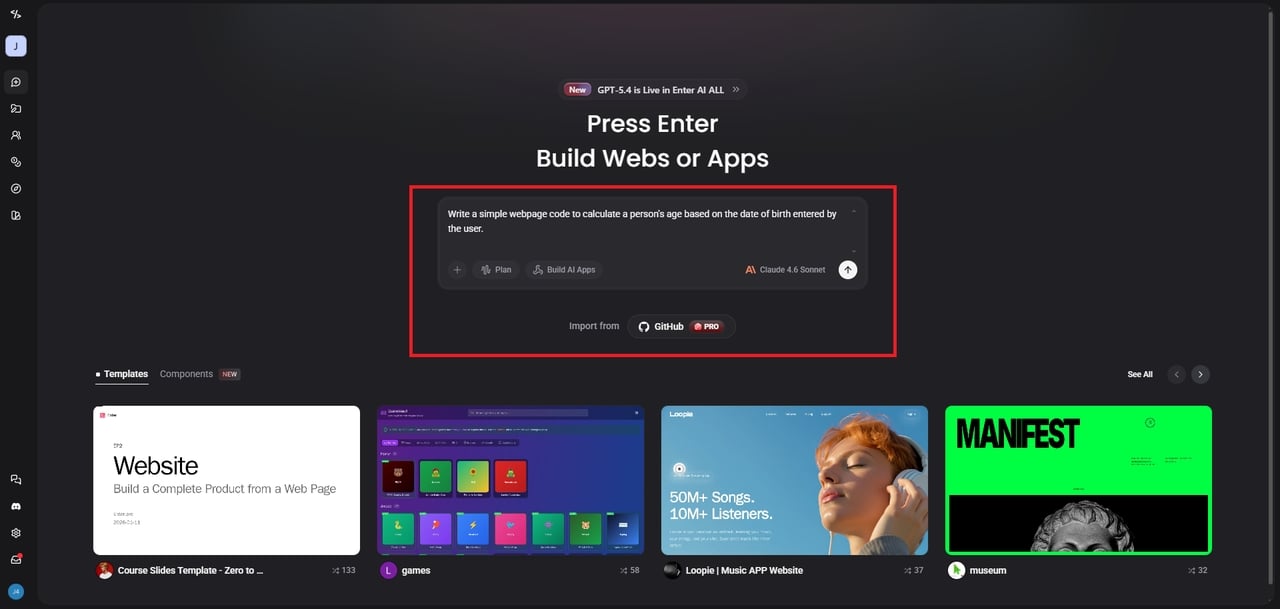
- Step 1: Select the Claude model and provide prompt
Choose your preferred Claude architecture from the dropdown menu. Then, type a clear, descriptive prompt outlining your application's desired features, design, and core business logic.
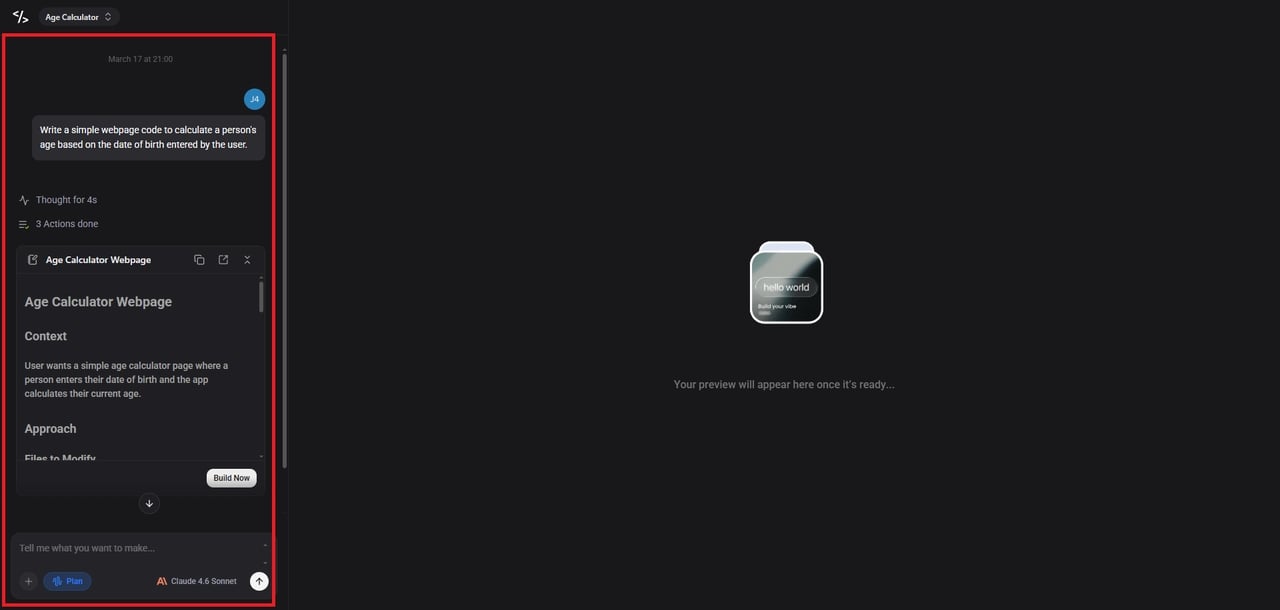
- Step 2: Allow Enter Pro to plan and create your MVP
The transparent agent workflow, which takes over, autonomously structures the database and generates the frontend. You can watch Enter AI think, plan, and build in real-time.
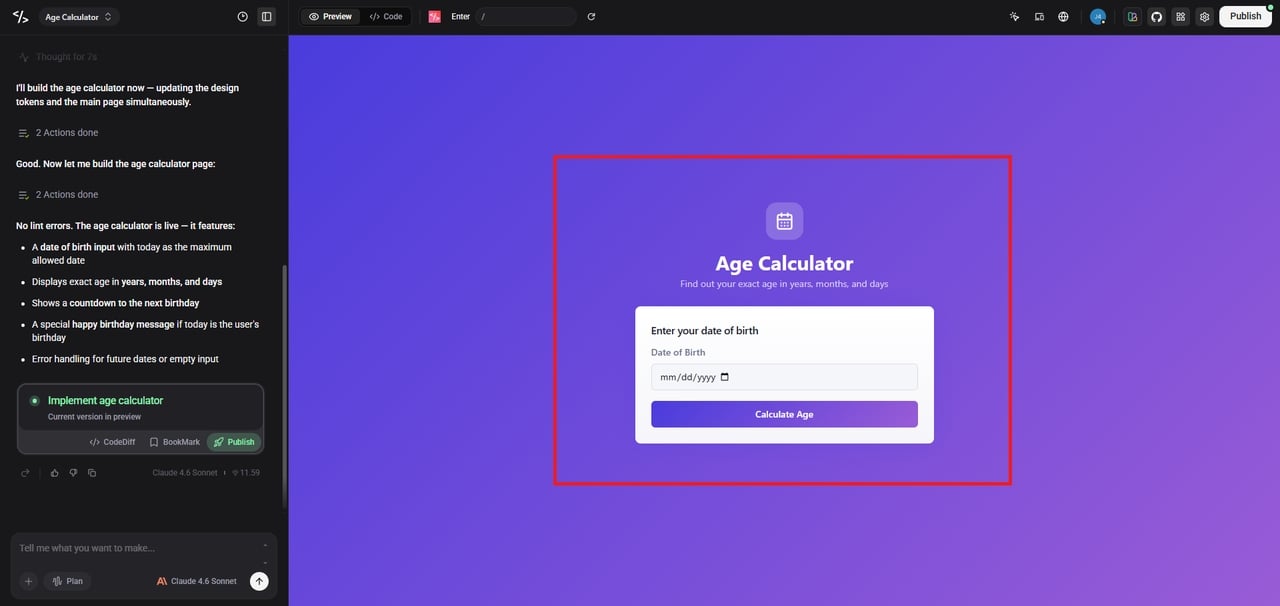
- Step 3: Finalize and publish
Use the visual editor to precisely tweak styles. Once satisfied, seamlessly deploy your production-ready MVP with a single click or export the full source code.
Wrapping up
We have traveled from understanding the fundamentals of what Claude is to exploring its massive context windows and human-like writing, and finally to comparing its capabilities against industry giants like ChatGPT. What becomes abundantly clear is that Claude is not just another conversational bot; it is a profound engine for logic and creation.
The future of software development is no longer about memorizing syntax; it is about "vibe coding". This uses natural, descriptive language to dictate complex business logic while the AI handles the heavy lifting of writing code.
Therefore, it is time to stop wrestling with dark terminal screens, broken API keys, and frustrating syntax errors. Turn your ideas into live, production-ready software today by accessing Enter Pro, to unleash the power of Claude 4.5 and 4.6, and start building your next big idea faster than you ever thought possible.
FAQs
What exactly is Claude AI?
Claude is a family of advanced large language models developed by Anthropic. It is built with a focus on safety, deep reasoning, and reliability, making it highly effective for enterprise tasks and complex software development.
Is Claude free for general use?
Anthropic provides a free tier via its web interface for basic tasks. However, this tier enforces strict daily usage limits and restricts access to their most advanced, high-performance models designed for complex, professional workflows.
For software development, is Claude better than ChatGPT?
Many engineers prefer Claude for intricate programming tasks. Its extensive context window and high zero-shot coding accuracy allow it to efficiently analyze, refactor, and successfully generate code for large-scale projects while maintaining strict logical coherence.
How do I access the Claude Code AI coding assistant?
While developers can use command-line tools, platforms like Enter Pro offer a more accessible route. Enter Pro embeds Claude natively, translating its logic into a visual interface that lets users instantly generate and deploy complex full-stack applications.