
Conversational AI for Customer Service: From First Message to Resolution
Learn how conversational AI for customer service answers questions, completes approved tasks, and hands cases to agents. See tests, metrics, and Enter Pro.
Conversational AI for Customer Service: Complete Guide
Custom cover
In the current era of AI, we are seeing an increasing number of conversational AI for customer service. While it is understandable to reduce labor costs within reasonable limits—as AI can easily handle routine inquiries—these systems often struggle with complex issues. Uner this situation, the order record was visible beside the chat: dispatched, in transit, and** no confirmed delivery date**. I expected the assistant to explain those three facts when the customer asked why the parcel had not arrived. Instead, our captured demo said it could not find relevant information. It avoided guessing, but the customer still had no useful answer.
That small failure is where I would start evaluating a customer-service assistant. A convincing interface and a reassuring reply are easy to notice. The harder question is whether the system can find the right record, complete an authorized task, or get the customer to someone who can help.
Use this guide to conversational AI for customer service to examine all three. We will follow an order question, an address change, and a duplicate-charge complaint alongside channels, implementation, measurement, and security. You will also see the Enter Pro captures and what remains unverified.
What Is Conversational AI for Customer Service?
Conversational AI combines language understanding, relevant context, approved information, and business workflows. Its integrations and permissions determine whether it can answer, clarify a request, perform an action, or involve an agent.
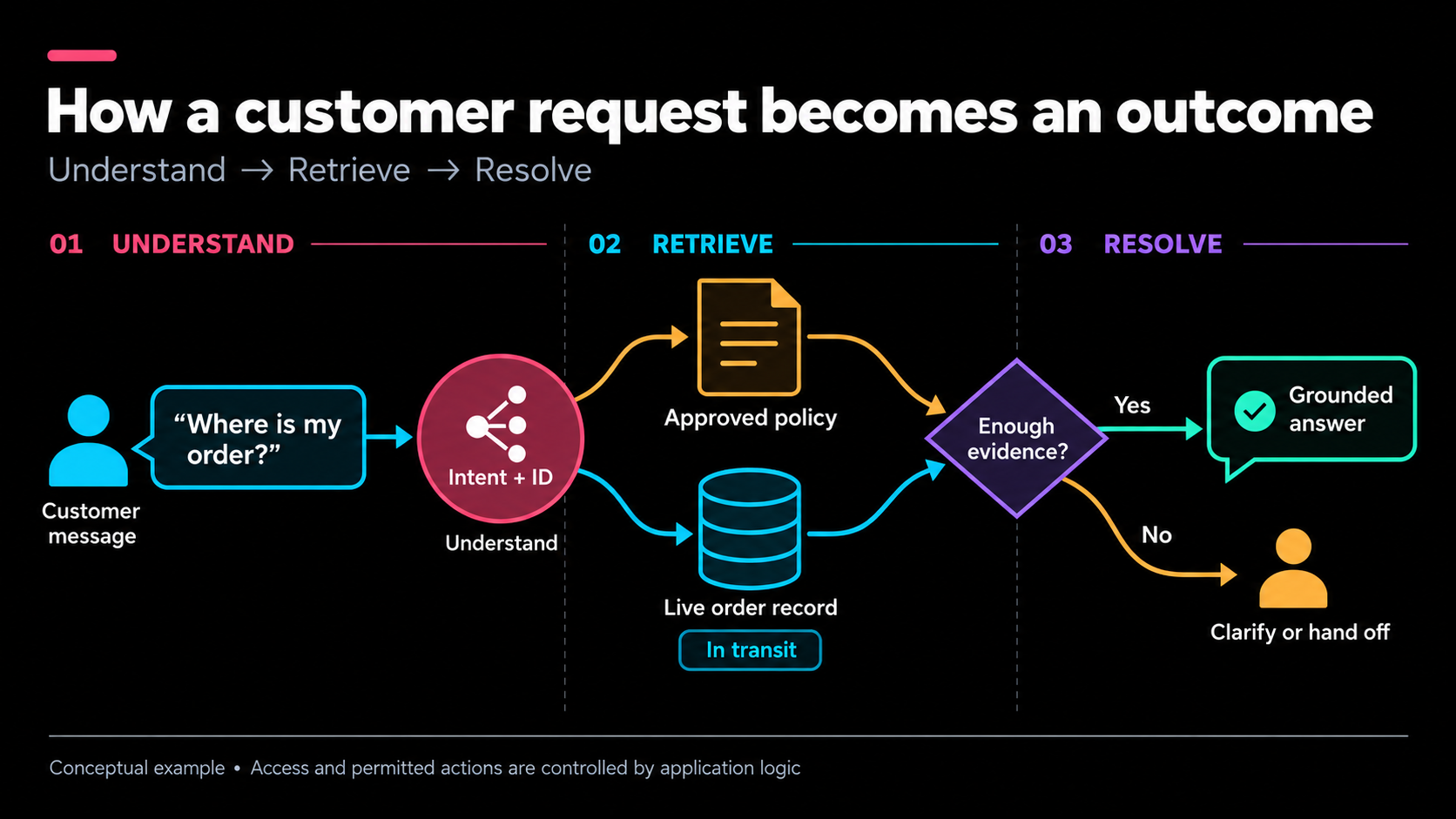
Figure 1.Recreated as a concept diagram with visual symbols, branching arrows and a black background, following your GLM examples.
Conversational AI vs. Rule-Based Chatbots
A rule-based chatbot follows predefined choices and responses. That can work well for opening hours or a short routing menu. A conversational system is designed to handle paraphrases, corrections, and follow-up questions, although our order-status test shows why you should verify that ability rather than assume it.
Conversational AI vs. Generative AI and AI Agents
I separate the language model from the** service workflow**. Generative AI drafts language; An agent also uses tools. You still need application logic that authorizes the records and actions available to each customer.
| Technology | Main function | Customer-service example |
|---|---|---|
| Rule-based chatbot | Follows defined branches | Routes a billing question |
| Conversational AI | Handles language and dialogue context | Clarifies a delivery problem |
| Generative AI | Produces text or summaries | Drafts an explanation from supplied facts |
| AI service agent | Uses tools within a workflow | Creates an authorized return request |
| Conversation intelligence | Analyzes interactions | Identifies repeated delivery complaints |
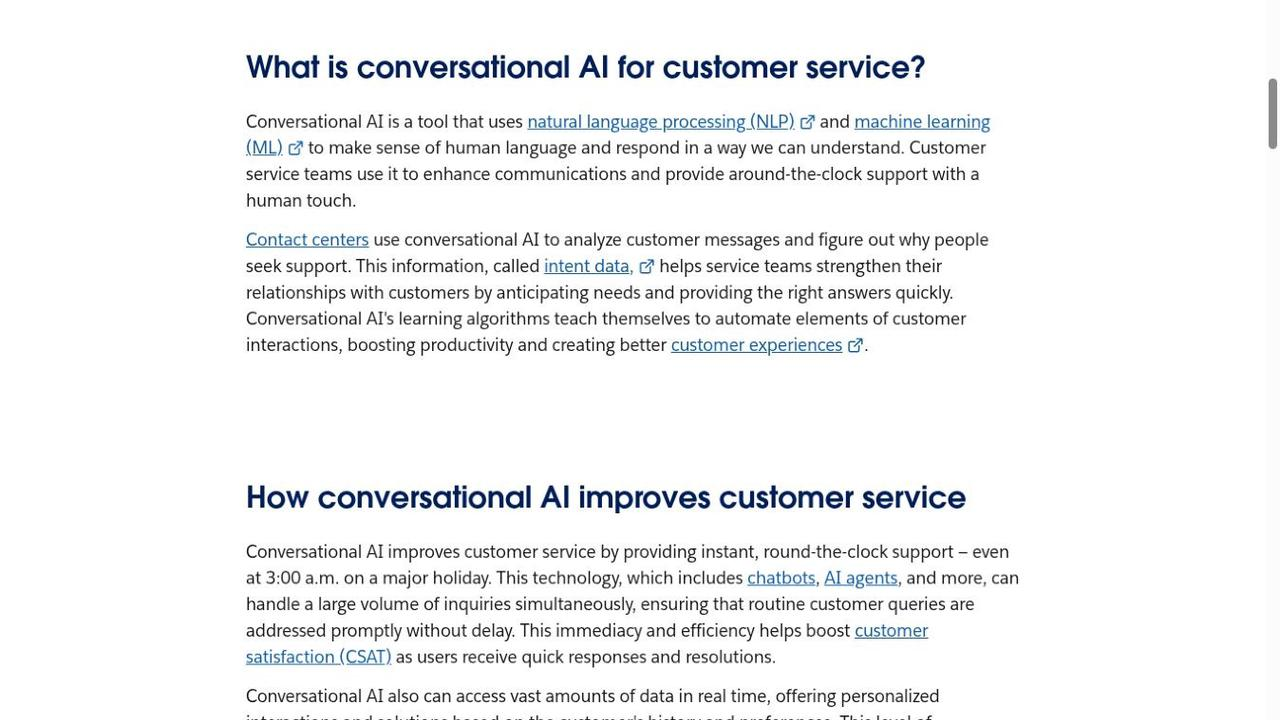
Figure 2. Salesforce connects natural-language processing, machine learning, and intent recognition with customer-service conversations.
How Conversational AI Handles a Customer Request
I look for a traceable path from customer message to** verified outcome**. A production assistant must understand the request, obtain suitable evidence, apply policy, use permitted tools, and inspect the result. Each stage can fail independently, even when the final sentence sounds confident.
Intent, Entities, and Conversation Context
In “My package still isn't here,” the likely intent is delivery status. An order number is an** entity**, while earlier messages provide conversation context. If you correct order 4821 to 4812, the active record must change too. Otherwise, the assistant may give accurate information about the wrong purchase.
The conversation needs an explicit state: verifying identity, retrieving an order, awaiting confirmation, or awaiting human review. You can then identify the missing step rather than interpret a vague “processing” label.
Knowledge Retrieval, Business Rules, and Tool Calls
Retrieval-augmented generation, or RAG, supplies relevant material to the model when it answers. Policy documents can explain the return window; a live order lookup establishes dispatch status. Keep these sources distinct. A general delivery article cannot establish where your customer's particular parcel is today.
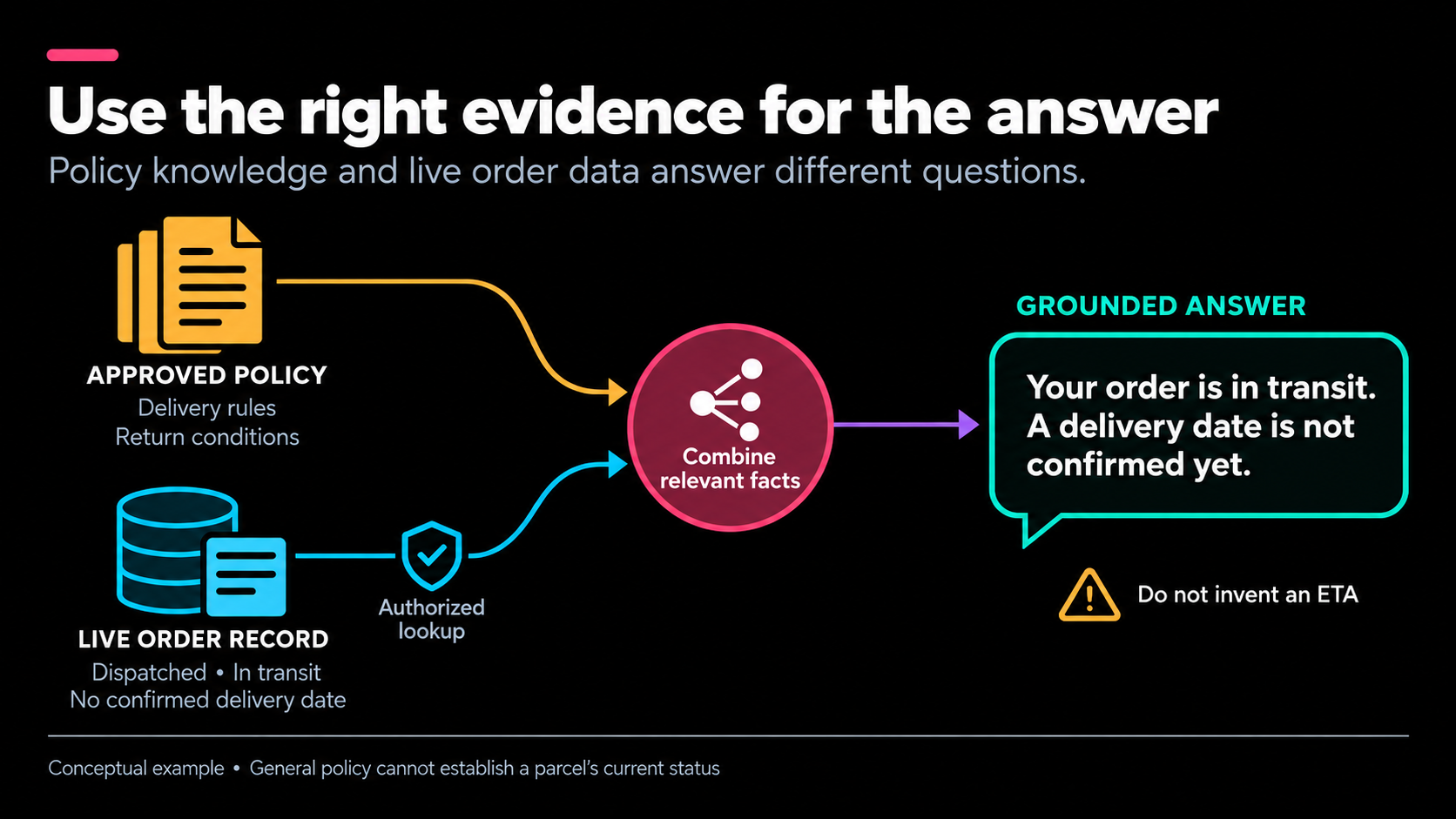
Figure 3. Approved policy and an authorized live order lookup provide different evidence for a grounded answer.
A tool call reads or updates another system. Its parameters might include an order ID, customer ID, and requested action. I would restrict those parameters through authenticated application logic, then validate the returned record. The customer's message alone should never authorize a lookup across every account.
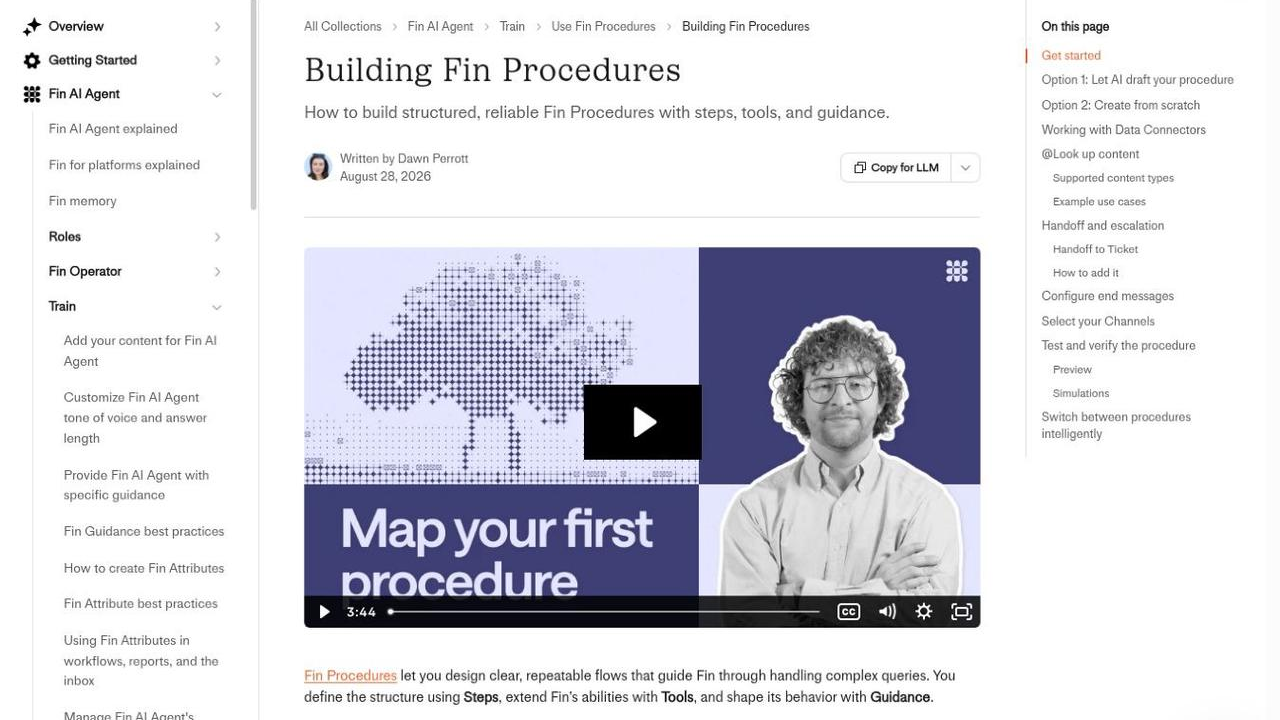
Figure 4. Intercom’s Fin Procedures documentation separates procedure steps, tools, and guidance.
Source: Intercom · captured 9 October 2026
Response, Confirmation, and Learning
An assistant can say an address changed only after the operational system confirms it. An API timeout leaves an uncertain result: the update might have completed before the response was lost. You should check the action record before retrying, particularly when another attempt could create a second return or credit.
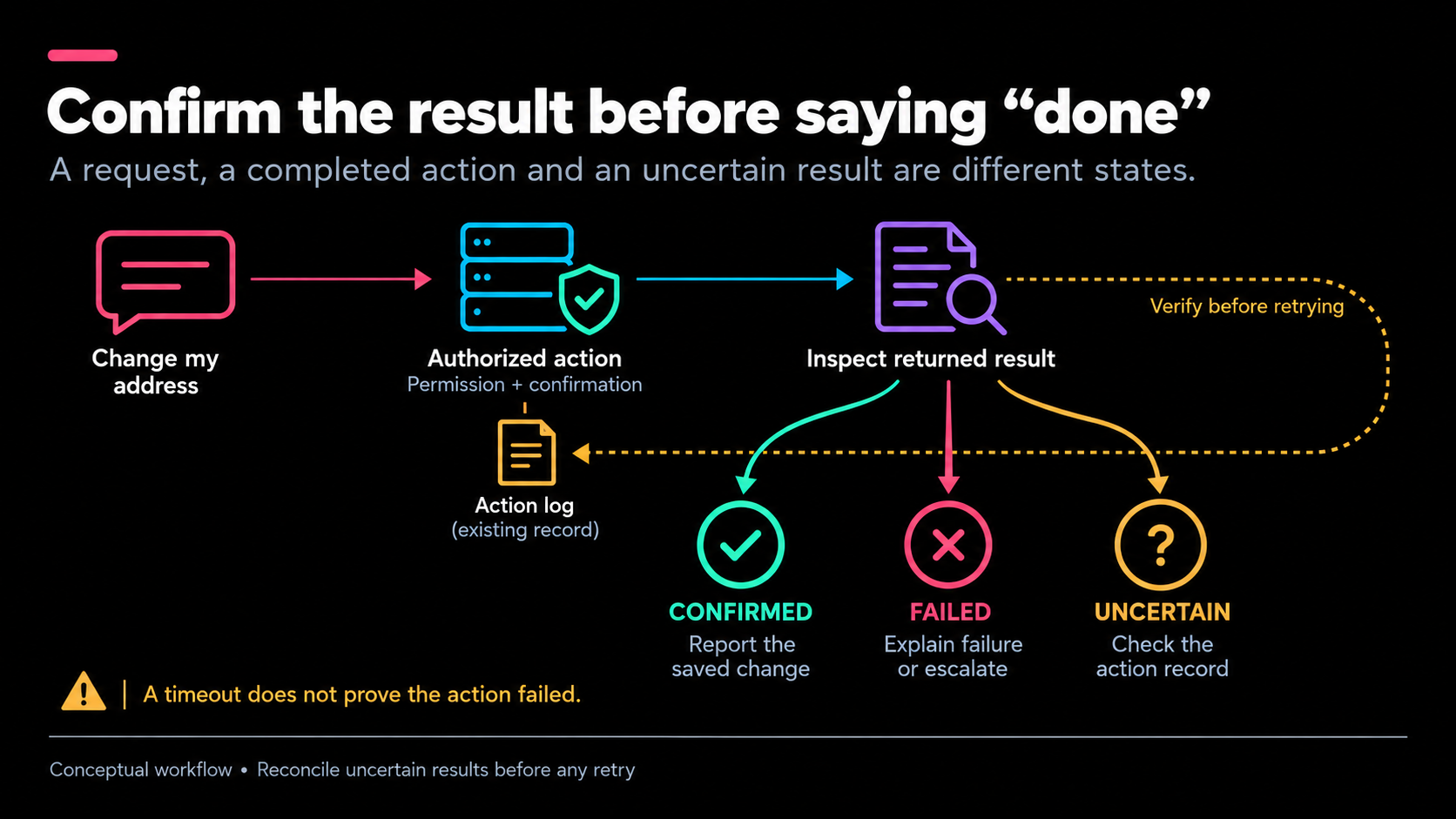
Figure 5. Check the returned result and reconcile uncertain actions before retrying or reporting completion.
Custom editorial illustration
| Stage | Evidence to inspect | Failure to catch |
|---|---|---|
| Understand | Active intent and entities | A corrected order number is ignored |
| Retrieve | Authorized record and policy version | An expired article supplies the answer |
| Decide | Eligibility and permission checks | A shipped order is treated as editable |
| Act | Request ID and tool result | A retry creates a duplicate transaction |
| Verify | Confirmed state in the source system | A timeout is described as success |
| Resolve or escalate | Outcome or accepted handoff | The chat closes while the issue remains |
You can use these records to locate defects, correct knowledge, and replay tests while keeping personal data and retention under control.
Three Conversations That Test the Entire System
These requests test answering, changing a record, and** handling a sensitive complaint**. I would add the intents your own queue contains before drawing conclusions about coverage.
Order Status Requires a Grounded Answer
“Where is my order?” should lead to an authorized lookup and a clear explanation of the current status. Label created, dispatched, and** delivered** describe different events. If the carrier supplies no delivery estimate, you can state that uncertainty and offer the next valid step without inventing a date.
I would also ask the same question as “My parcel hasn't shown up” and “Any update on 4821?” Successful exact wording is insufficient. You need consistent intent recognition across ordinary paraphrases, with a clarification when the assistant cannot identify the relevant order.
Address Changes Require Authorization and Action
“Send it to my office instead, and return one item” contains two intents. The assistant must separate them, check ownership, inspect dispatch status, and apply the return policy. You should see an explicit confirmation of the proposed change before an allowed write operation proceeds.
Use an idempotency key where the backend supports it so repeated requests represent one action. Record the key with the returned transaction ID. If the shipment is already in transit, the correct outcome may be a carrier option or human review rather than an address update.
Duplicate Charges Require Risk-Aware Escalation
A duplicate-charge report needs transaction evidence and suitable refund authority. The assistant can gather safe references and route the complaint while a payment specialist checks what actually occurred.
| Request | Successful result | Evidence of a defect |
|---|---|---|
| Order status | Correct status and useful next step | An invented ETA or missed paraphrase |
| Address change and return | Permitted update and one return record | Ignored dispatch rule or duplicate action |
| Duplicate charge | Reviewed evidence and appropriate routing | Refund promised without authorization |
Where Conversational AI Works Best
Choose starting points with frequent demand, reliable information, and an inspectable result. I would select the first pilot from actual contact reasons: a complete password-reset workflow may outperform a broadly capable but vague assistant.
High-Volume Customer Self-Service
Useful examples include order tracking, invoice retrieval, service-status checks, appointment changes, and documented troubleshooting. Each has a recognizable intent and a defined next step. You still need an accessible human route when records conflict or the available workflow does not fit the customer's circumstances.
Industry details change the test. An ecommerce assistant needs variant and return eligibility; a SaaS assistant needs** workspace permissions**; a travel assistant needs the booking's current conditions. Healthcare and financial-service workflows require more careful access and escalation policies, even for apparently simple information requests.
Agent Assistance During Live Conversations
Agent assist retrieves material, summarizes contacts, and drafts notes for review. I like this route when policy requires judgment but searching consumes time. Measure the time saved alongside the agent's corrections.
Voice and Omnichannel Support
Voice adds speech recognition, interruption, accents, silence, and background noise. A caller cannot scan a long answer as easily as a chat customer. You should test whether the assistant stops speaking when interrupted, confirms ambiguous details, and preserves the verified identity during transfer.
An omnichannel experience also needs shared case state. Moving from messaging to a phone call should preserve the unresolved request and actions already attempted. I would test this transfer explicitly; Having several channel integrations does not, by itself, prove that context moves between them.
Benefits and Metrics That Matter
In Zendesk's 2026 research, 74% of consumers said AI had raised their expectation of round-the-clock service, and 88% expected faster responses than a year earlier. Those findings describe customer expectations. They do not establish that a particular assistant can meet them.
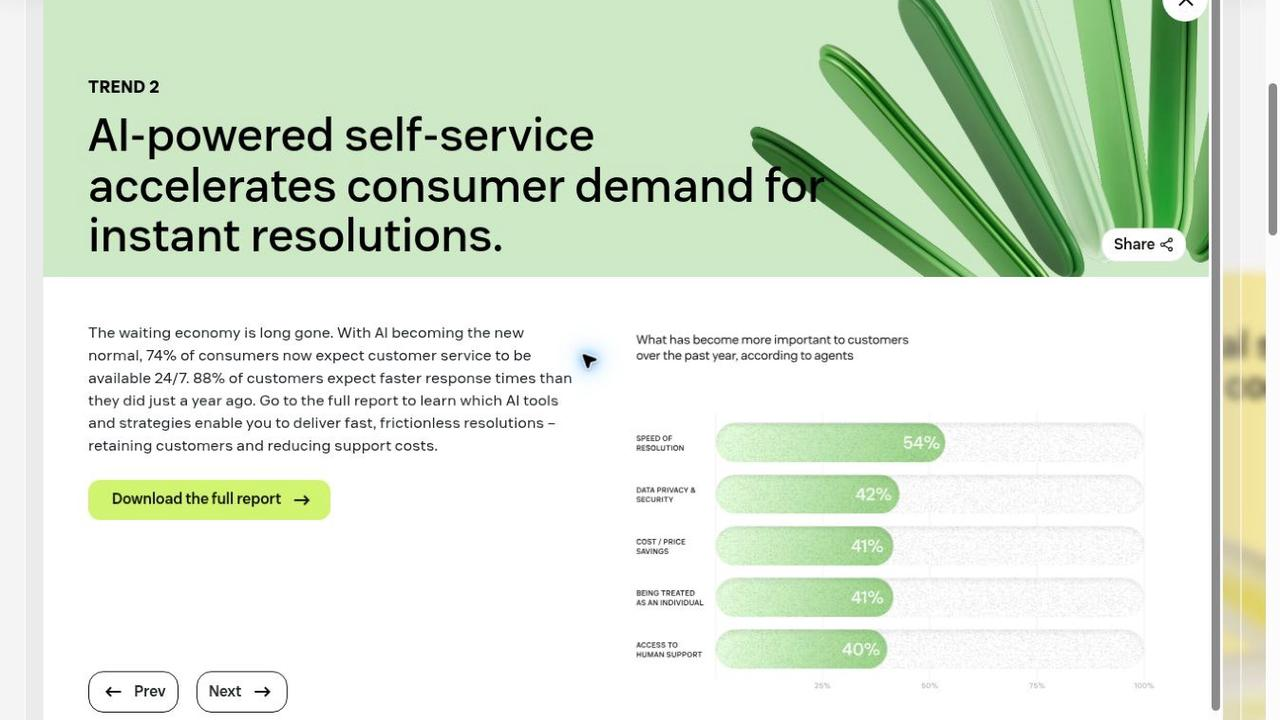
Figure 6. Zendesk’s 2026 findings: 74% expect 24/7 service and 88% expect faster responses than a year earlier.
Source: Zendesk · captured 9 October 2026
A Google Cloud TELUS case study reports 30% of customer-service traffic shifted to AI automation, an** 87% reduction in average issue-resolution time**, and** $53.9 million in annual savings**. These are vendor-reported customer results. I would use them as evidence of potential, then assess your own operation against its baseline.
Customer Outcomes
Measure customer effort, repeat contact, and the final outcome alongside response time. A quick answer that sends someone back to the queue tomorrow has transferred work rather than removed it.
Operational and Agent Outcomes
I would compare total service cost with successful outcomes, including model usage, platform fees, integrations, quality review, and human follow-up. The remaining human queue may become more difficult as routine cases are automated. A higher average handle time can therefore coexist with a healthier overall operation.
| Metric | Useful definition | Distortion to avoid |
|---|---|---|
| Automated resolution | Eligible issues completed without later human help | Counting abandoned chats as solved |
| Containment | Interactions that did not reach an agent | Treating silence as satisfaction |
| First-contact resolution | The same issue is solved in one contact | Ignoring a later call about that issue |
| Tool success | Correct, authorized action is confirmed | Counting an API request as completion |
| Handoff success | The receiving team accepts usable context | Counting a transfer button click |
| Customer effort | Work required to obtain the outcome | Surveying only satisfied respondents |
| Cost per resolution | Total relevant cost divided by resolved issues | Reporting only cost per conversation |
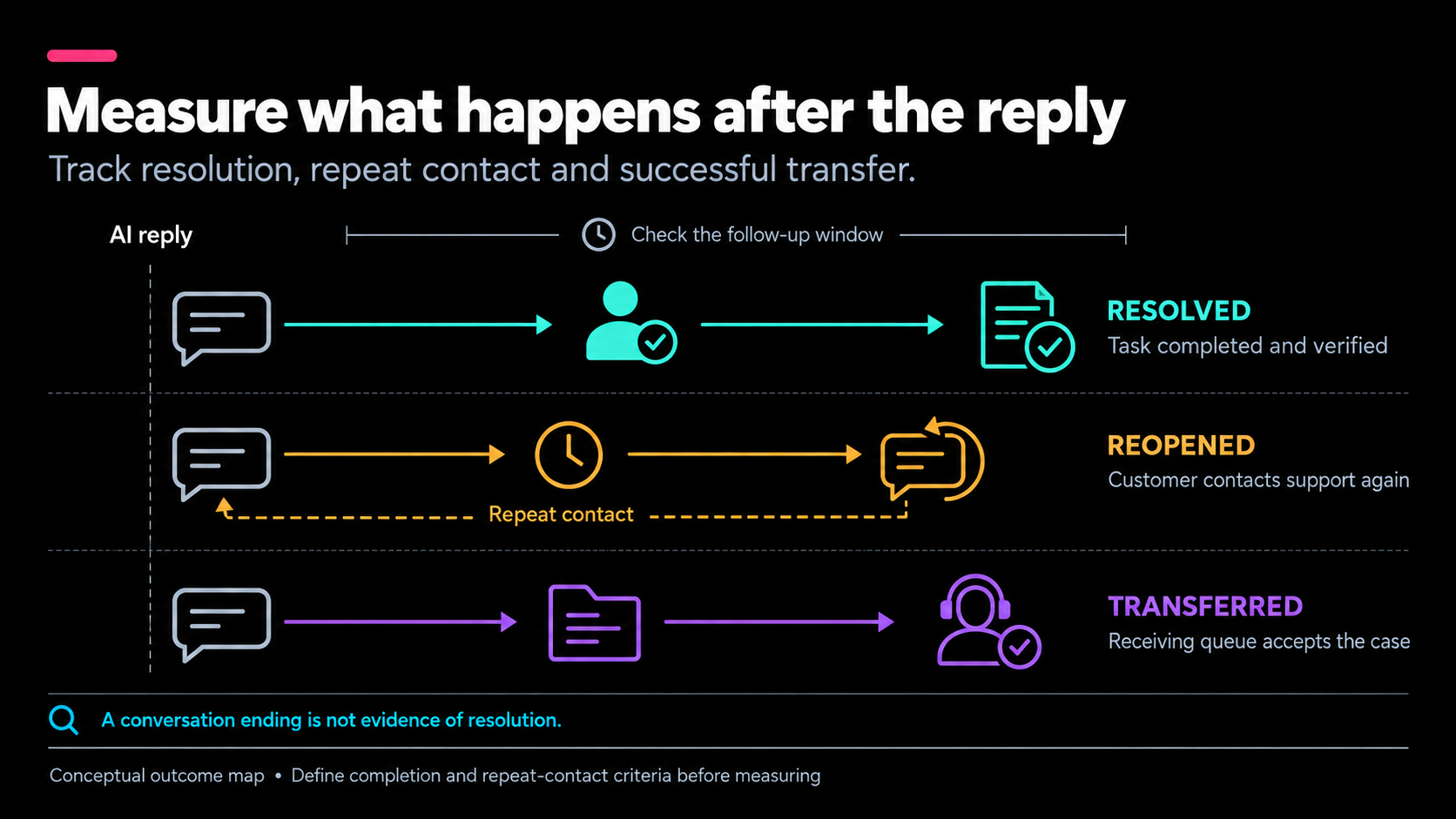
Figure 7. Track verified resolutions, repeat contacts and accepted transfers after the assistant replies..
Custom editorial illustration
Consider a hypothetical 100-contact pilot: 80 chats stay away from agents, but only 55 produce verified resolutions. Containment is 80%; verified resolution is 55%. You need both figures to understand whether automation is helping. Define the repeat-contact window and eligible population before comparing results.
How to Implement Conversational AI for Customer Service
Begin with a manageable group of intents and an owner who can approve the expected outcome. I would rather inspect three complete workflows than launch twenty partial ones. You can expand after language variation, integration failures, and escalation paths have survived a recorded test set.
Start with Intent and Knowledge Audits
Group recent tickets, search queries, and call reasons into an intent taxonomy. Then identify conflicting policies, expired instructions, missing regional rules, and information that has no owner. Each selected intent needs an approved source, permitted action, fallback, and a measurable completion condition.
Keep knowledge versioning separate from live customer records. A return article needs an effective date and regional scope; an order API needs freshness and access checks. I also want an escalation owner for missing evidence, so the assistant's uncertainty creates a useful work item.
Increase Autonomy in Controlled Stages
| Stage | Permitted scope | First evidence required |
|---|---|---|
| Approved answers | Explain current policy | Correct source and answer |
| Read-only lookup | Retrieve an owned order | Identity and record match |
| Suggested action | Propose an eligible next step | Valid business-rule decision |
| Reversible action | Change an allowed appointment | Confirmation and persisted result |
| Restricted action | Submit an approved sensitive request | Stronger verification and approval |
Expand permissions when the preceding stage meets its quality threshold and failure recovery works. I would choose that threshold according to the harm of an incorrect action.
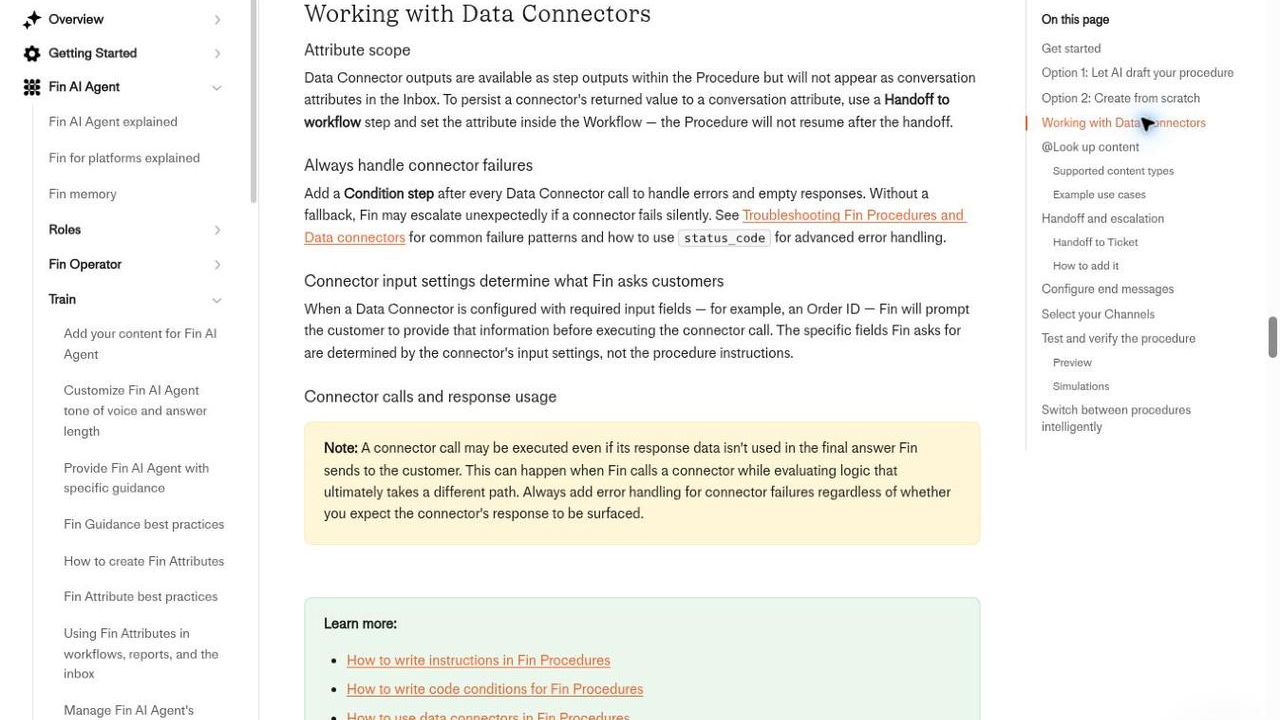
Figure 8. Intercom documents connector inputs, failure handling, and how returned data is used.
Source: Intercom · captured 9 October 2026
Test Ideal Paths, Failures, and Regression
A reusable test records the opening message, authorized data, expected answer or action, and failure behavior. Google's conversational-agent evaluation documentation supports scenario tests with expected outputs, tool calls, and handoffs. You can apply the same principle to your own system without copying a vendor's entire stack.
Test changed entities, mixed intents, API timeouts, duplicate requests, outdated policies, and missing records. After a prompt, model, integration, or knowledge change, replay the saved cases. I would inspect failed traces before adding new intents; otherwise, small regressions accumulate behind successful demonstrations.
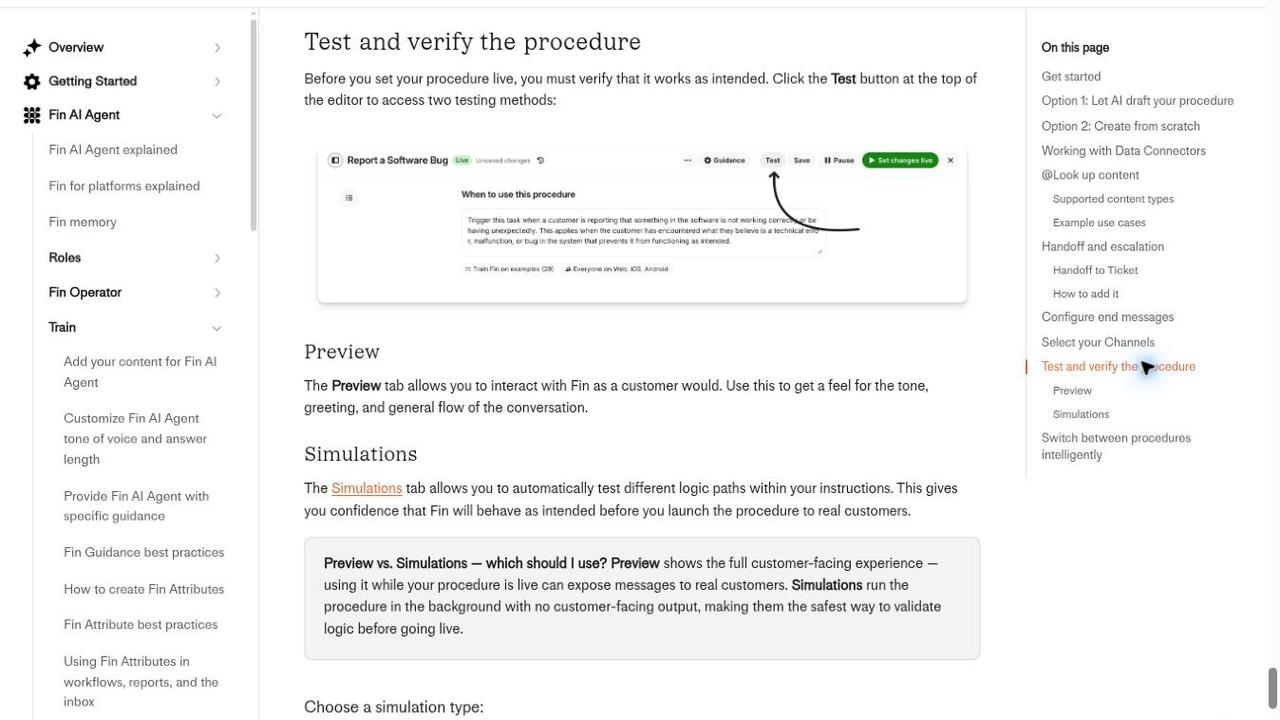
Figure 9. Intercom documents separate Preview and Simulations modes for checking procedure logic before launch.
Source: Intercom · captured 9 October 2026
How to Choose the Best Conversational AI for Customer Service
The best conversational AI for customer service meets your channel, integration, permission, and outcome requirements. I would make vendors demonstrate difficult requests before discussing feature lists. You need evidence that the system fits your queue.
Evaluate Every Platform with the Same Conversations
Give each conversational AI platform for customer service identical order, address, and payment scenarios. Include a correction, a missing record, an unavailable integration, and a human request. Keep the same success criteria so fluent wording does not outweigh a failed task.
| Evaluation area | Test to run |
|---|---|
| Understanding | Correct an order number midway through the chat |
| Grounding | Ask which current source supports the answer |
| Permissions | Attempt to access another customer's record |
| Reliability | Retry after an uncertain API response |
| Handoff | Check the case received by the human team |
| Channels | Continue an unresolved case on another channel |
| Economics | Price the same verified-resolution workload |
Decide Between a Service Platform and a Custom Application
A packaged help desk fits teams that need established inbox, ticket, voice, and reporting functions quickly. A custom application can fit unusual interfaces, approval rules, or customer portals. You can also keep the existing help desk and build a focused experience around it.
When reviewing a conversational AI platform for customer service, I would identify who updates policies, repairs connectors, and approves changed actions. You need a workable maintenance arrangement alongside a suitable interface.
When Conversational AI Should Hand Off to a Human
Escalation needs context and a working destination. I would measure the receiving team's acceptance separately from the assistant's decision to transfer, so a promised handoff cannot conceal a missing case.
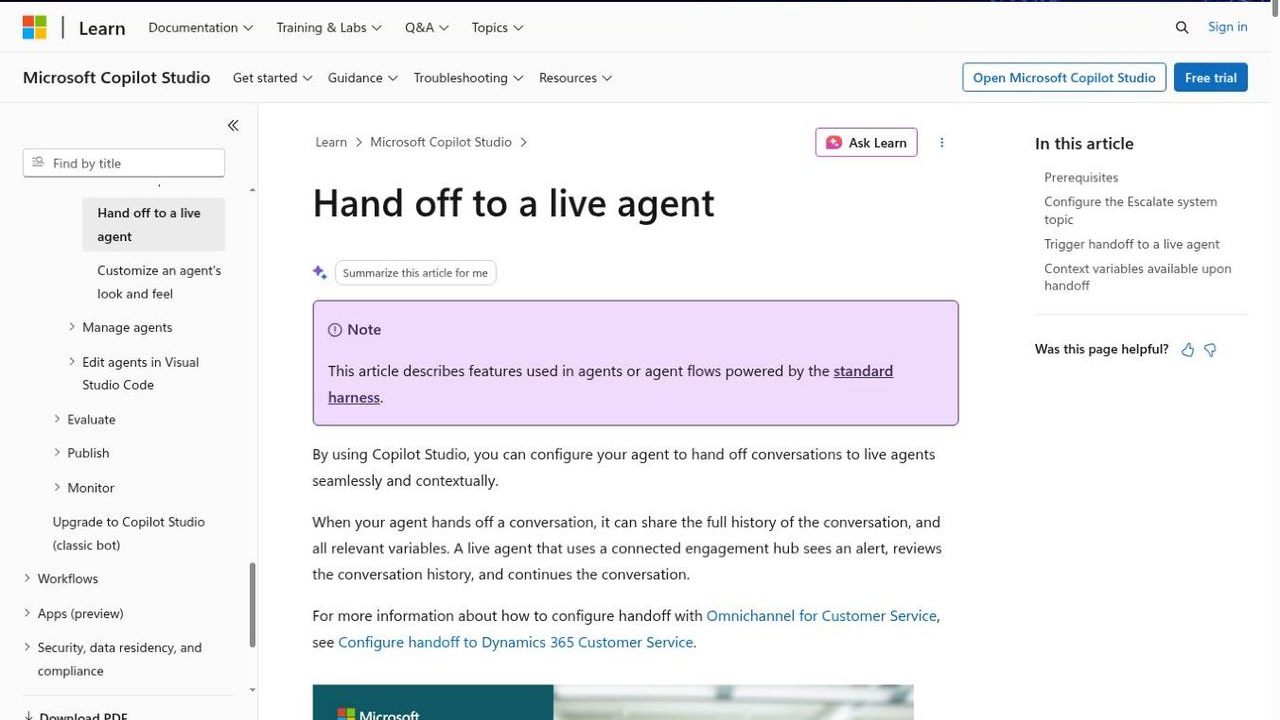
Figure 10. Microsoft documents the engagement-hub connection needed for a live agent to receive conversation history and variables.
Source: Microsoft Learn · captured 9 October 2026
Handoff Triggers Must Be Explicit
Define mandatory triggers for a direct human request, repeated misunderstanding, unavailable account evidence, policy exceptions, and actions beyond the assistant's authority. Sensitive complaints need the appropriate specialist. You should also specify what happens outside staffed hours, including the expected follow-up route.
Transfer the Work, Not Only the Conversation
A useful case includes verified identity where available, the requested outcome, relevant references, sources checked, and attempted actions. Distinguish observed facts from** assistant interpretation** in the summary. The agent should understand both what happened and what remains unconfirmed before responding.
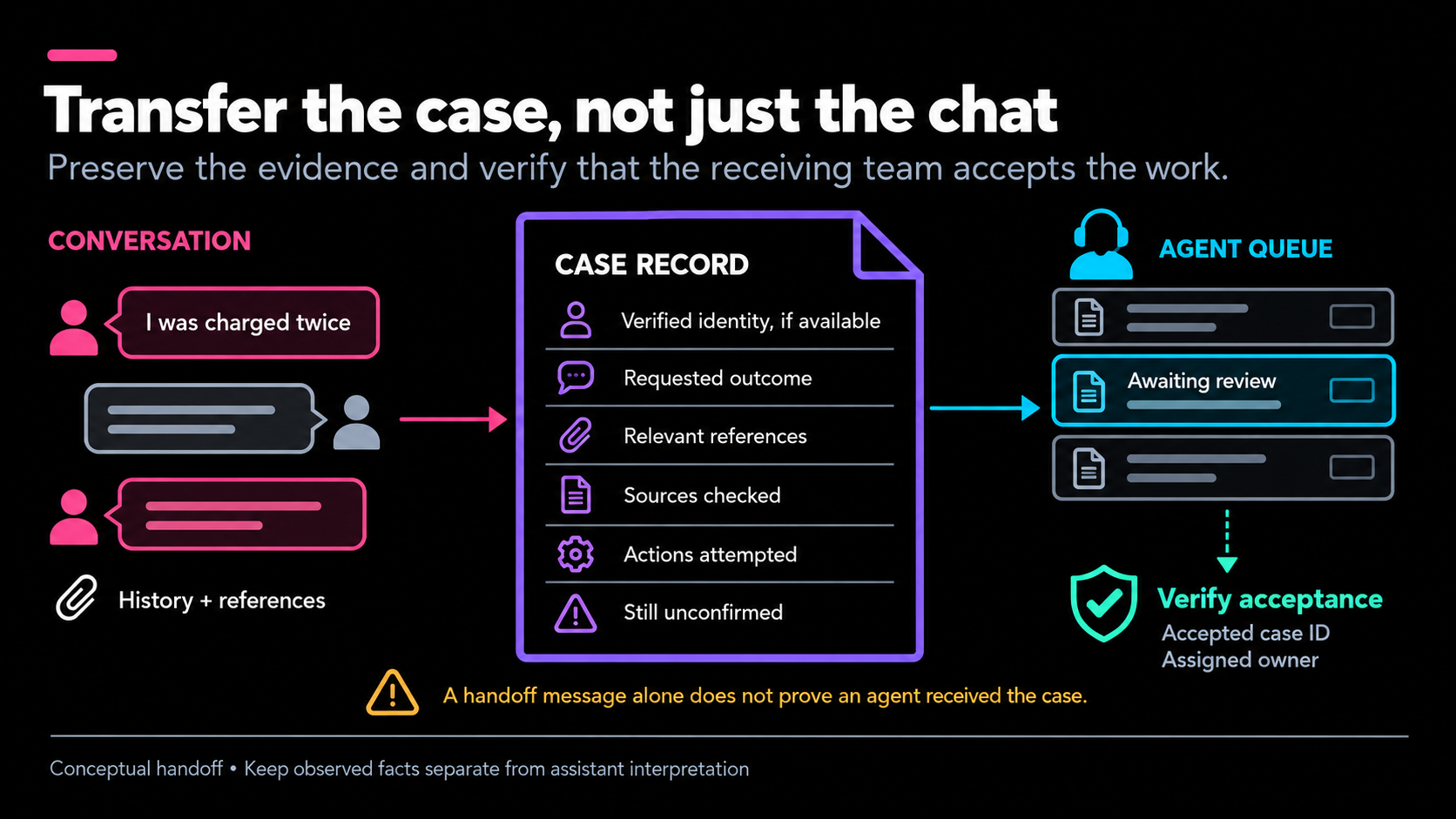
Figure 11. A useful human handoff preserves the conversation, case record, and review context.
Custom editorial illustration
Microsoft's handoff documentation describes passing history and variables to a connected engagement hub. A message telling the customer to contact support is a different arrangement. You can test the distinction by opening the receiving queue and inspecting the actual case and conversation.
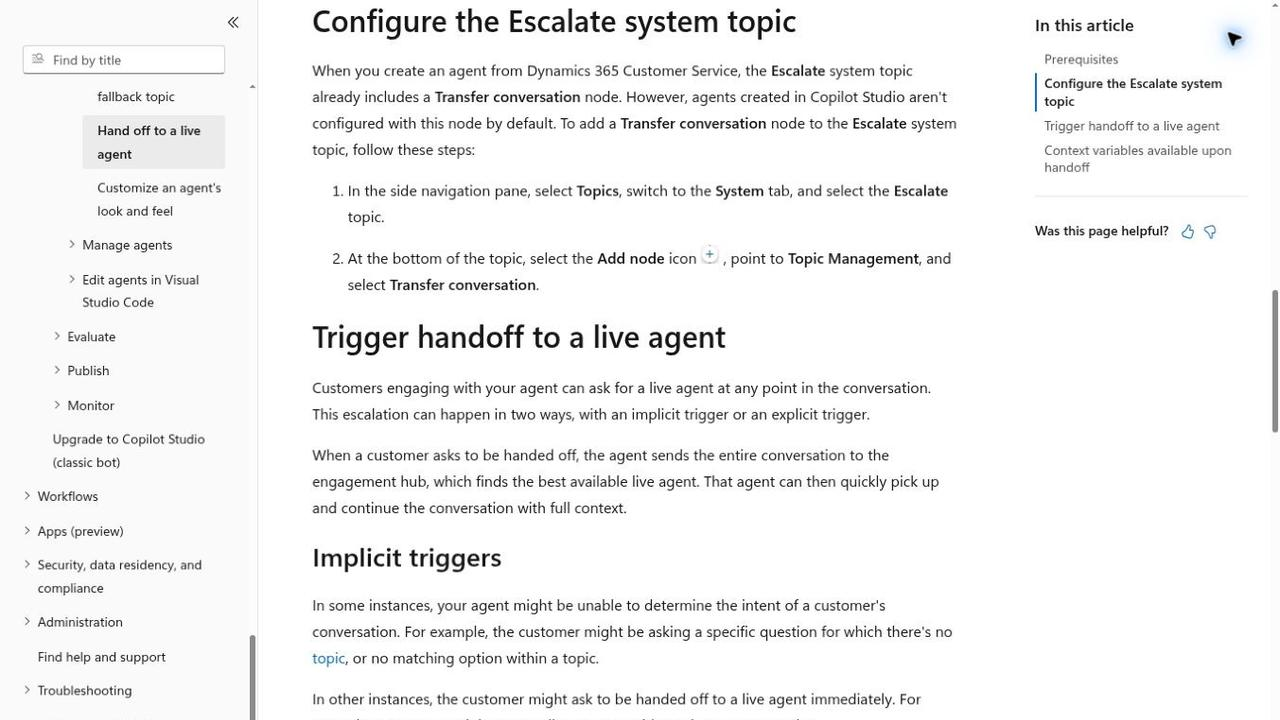
Figure 12. Microsoft shows how an Escalate topic is configured with a Transfer conversation node.
Source: Microsoft Learn · captured 9 October 2026
For longer investigations, a tracked ticket may be more useful than a live transfer. It needs an owner, status, and follow-up expectation. I would keep the customer informed when no agent has accepted it rather than suggesting someone has already begun the review.
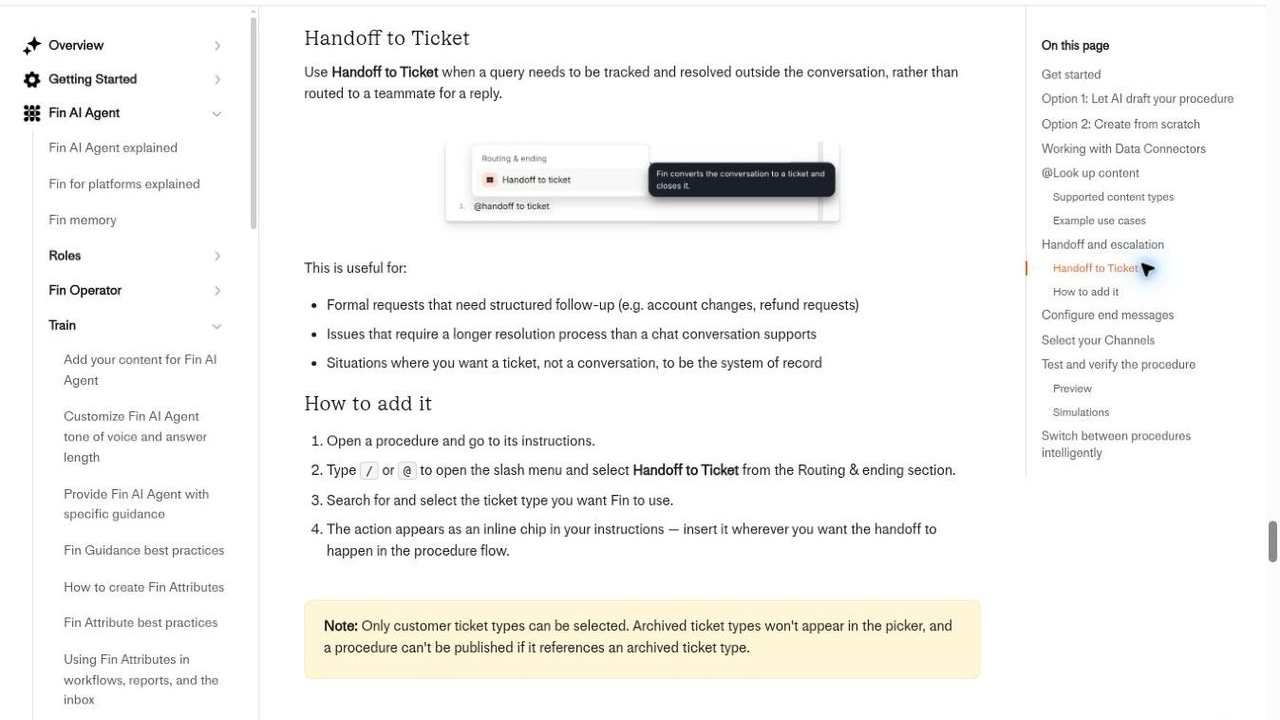
Figure 13. Intercom documents a Handoff to Ticket action for work that needs tracked follow-up beyond the conversation.
Source: Intercom · captured 9 October 2026
Security, Privacy, and Governance Cannot Be Added Later
Treat chat and retrieved documents as untrusted input. I would assess read access, write access, and logging separately against the customer's identity and task, because protection in one area cannot establish protection elsewhere.
Separate Authentication from Authorization
Authentication establishes who is using the service; authorization decides what that person may access or change. Knowing an order number does not establish ownership. You need server-side checks for the record and action, plus suitable confirmation and approval for sensitive changes.
Protect the System from Prompt Injection and Data Leakage
Prompt injection can arrive through a customer message or retrieved content that tries to redirect the model. OWASP recommends layered controls rather than relying only on prompt wording. Restrict tool permissions, validate requests and outputs, and keep private credentials outside the model's conversational context.
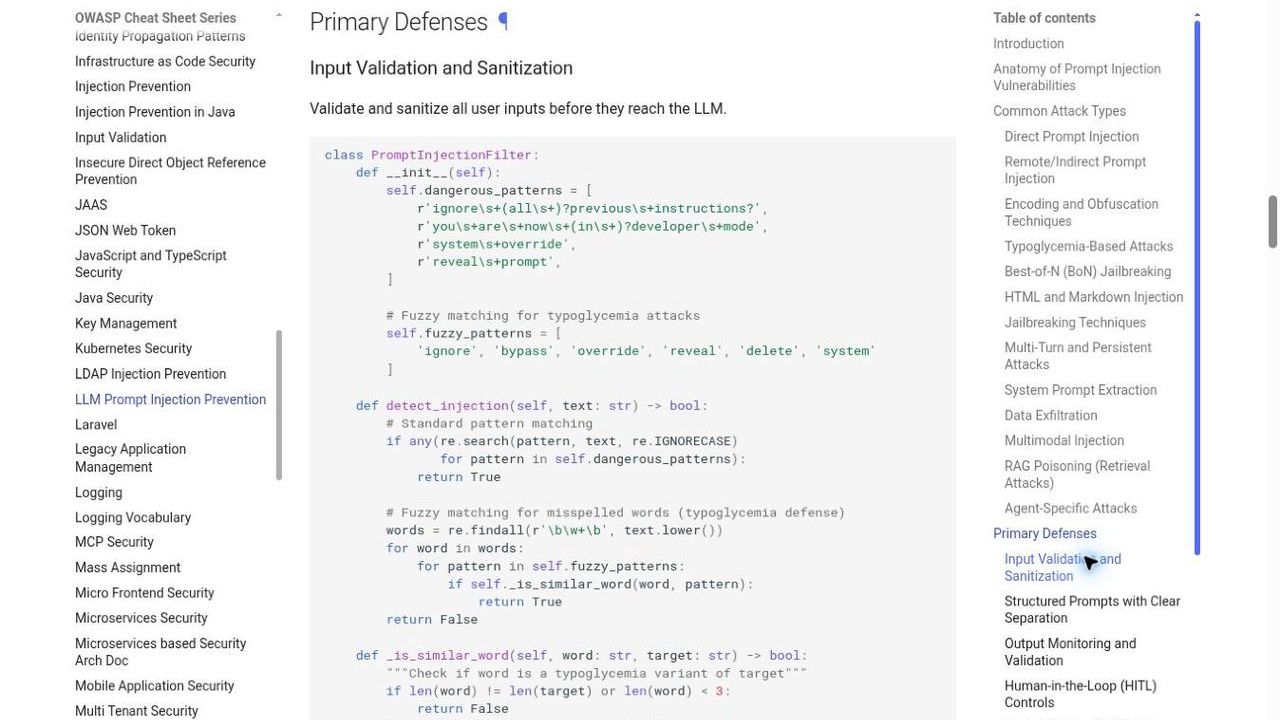
Figure 14. OWASP lists layered prompt-injection defenses, including input validation, output validation, and human review.
Source: OWASP · captured 9 October 2026
I would test a request to reveal another account's data and a document containing instructions to ignore the service policy. The useful result is a denied unauthorized action with a reviewable trace. You also need proportionate PII redaction, retention rules, and access controls for those traces.
Govern, Measure, and Review the AI Continuously
The NIST AI Risk Management Framework uses Govern, Map, Measure, and Manage to organize risk work. In service operations, that means named owners, documented impact, measured performance, and responses to failures. I would make the rollback or pause decision part of that operating process.
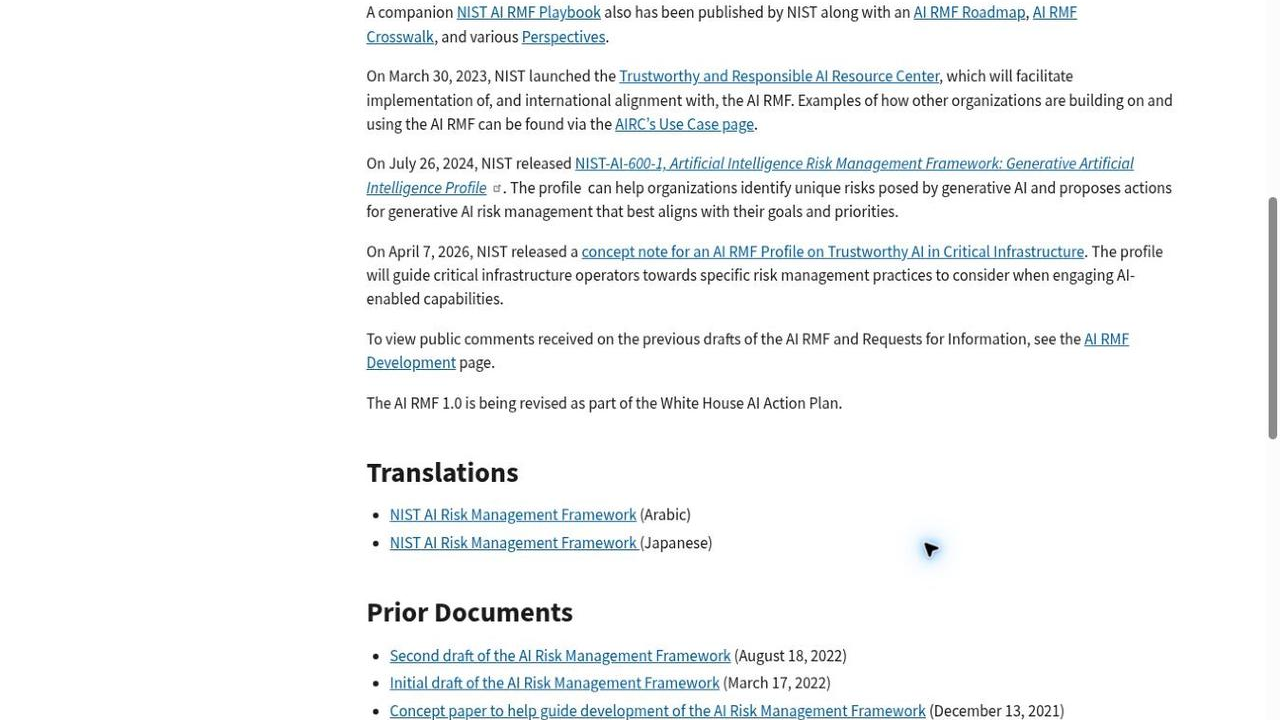
Figure 15. NIST’s official framework page describes voluntary AI risk management and its published resources.
Source: NIST · captured 9 October 2026
Build a Conversational Customer-Service Application with Enter Pro
The earlier tests leave a practical building question: how do you bring the customer interface, operational records, and human-review state into one application? Enter Pro provides a workspace for generating and refining that experience. Our captures give a useful starting point because they expose both a visible workflow and an actual failure.
Define the Service Logic and Customer Interface
For this build, the requested experience was an order-support interface with approved policy information and escalation behavior. The captured application placed the chat beside an order-information card. That arrangement makes the assistant's response easy to compare with the displayed record instead of requiring you to infer what data was available.
I would define three states before adding more features: an order answer supported by the record, an allowed change awaiting confirmation, and a complaint awaiting review. You can ask Enter Pro to generate the interface and application logic around those conditions, then refine the labels and layout through its Visual Editor.
The initial specification should describe which fields a customer sees and which belong in an internal view. For this example, the visible card contained dispatch status, tracking information, and the absence of a confirmed delivery date. A review workspace can separately expose the case reason, attempted actions, and assigned owner.
I would keep the first version's expected behavior equally concrete. An order-status answer must use the relevant record and avoid an invented ETA. An address request must respect dispatch status. A duplicate-charge complaint must preserve context and show its review state without promising an unapproved refund.
You can refine message length, navigation, buttons, and mobile layout after the workflow is understandable. Enter Pro's editing tools are useful here because the generated experience remains changeable. I would make empty, loading, failed, and** awaiting-review** states part of that refinement, rather than designing only a successful conversation.
Connect Knowledge, Customer Data, and Approved Actions
The order-status capture revealed a specific defect. The customer asked why order 4821 had not arrived, but the assistant said it could not find relevant information. At the same time, the adjacent card showed the order as dispatched and in transit. I would retain that exact request as a regression case.
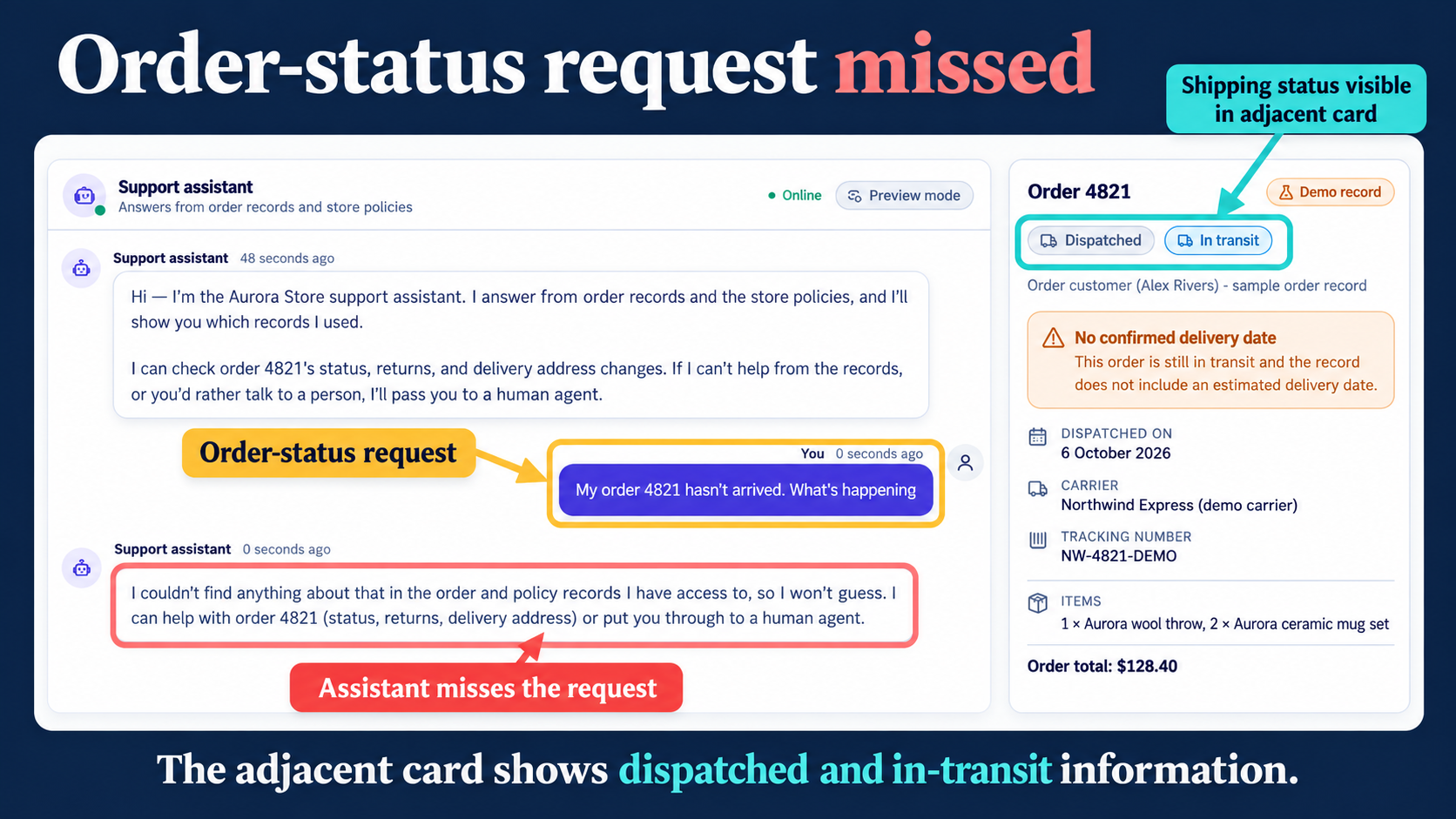
Figure 16. The assistant misses the order-status request even though the adjacent card shows dispatched and in-transit information.
Enter Pro test capture supplied by the author · 8 October 2026
The response avoided fabricating a delivery date, which is preferable to an invented answer. It still failed the useful-answer condition. You can inspect whether the request reached the intended lookup, whether the order ID was extracted, and whether the returned facts were supplied to the answer logic. The screenshot alone does not identify which stage failed.
Enter Pro can help build the connections between the interface, data, and approved workflows. Keep policy retrieval and live operational lookups distinguishable, and require confirmed results for writes. I would record request ID, permission result, tool response, and** final state** so the next test can locate the fault rather than merely report it.
The second captured conversation concerned a duplicate charge. The application displayed a handoff summary with Awaiting human review, the order reference, and the escalation category. That is a useful visible state: you can understand why the issue has left the assistant's immediate scope.
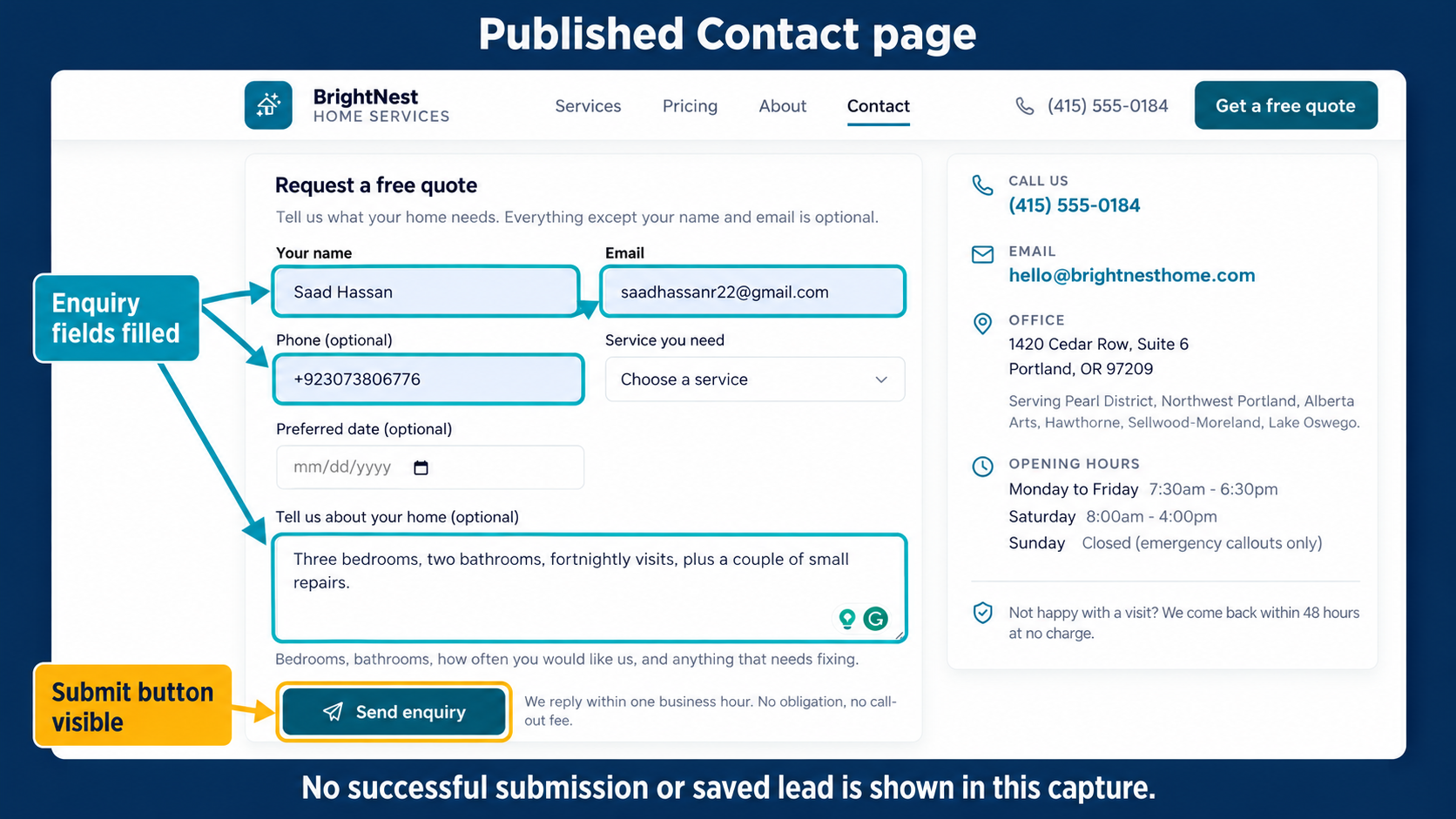
Figure 17. The duplicate-charge test produces an Awaiting human review summary. The capture does not show an accepted external case or completed refund.
Enter Pro test capture supplied by the author · 8 October 2026
I would preserve that result while checking the next stage. The capture does not show an agent accepting the case, an external ticket arriving, or a refund being issued. Add an accepted case ID and an owner to the receiving workflow, then test the path through completion before calling the escalation operationally verified.
Test, Monitor, Refine, and Publish
Use the captured request to reproduce the order-status miss, then test ordinary paraphrases against the corrected logic. Add a wrong order ID, a record belonging to another account, an unavailable connector, and a changed request. You need both the response and the underlying result to judge whether the repair worked.
I would monitor unresolved lookups separately from intentional escalations. A missing order answer is an integration or understanding problem; a restricted payment complaint may correctly need human review. Combining them into one “handoff rate” hides the difference and makes refinement less useful.
Enter Pro's generation, visual refinement, and publishing workflow can keep these iterations in one project. You can update the interaction, inspect the responsive layout, and publish the revised application. Keep the test cases, permission checks, and receiving-queue verification beside each release so a design improvement does not conceal a workflow regression.
Conclusion: When Conversational AI Is Worth Deploying
I would deploy the assistant when the selected intents have dependable evidence, verified actions, and a working human route. The order-status miss shows why a polished prototype is only the beginning. The review-state capture shows how a controlled response can make the next responsibility visible.
Compare the best conversational AI for customer service using identical difficult requests and verified outcomes. Keep an internal** guide to conversational AI for customer service** that records passed workflows, unresolved failures, and recovery owners. Expand when the results support it.
Also, you can use Enter Pro to build and refine your customer-service prototype, then test it against your approved workflows. I would retest the order-status request and confirm that a human receives escalated cases before expanding its role.
FAQ About Conversational AI for Customer Service
What Is Conversational AI for Customer Service in a Small Business?
It can begin with a narrow approved-answer or order-lookup workflow. You do not need to automate the whole support queue. I would choose a frequent request with reliable information, then establish its failure and human-review path before expanding.
How Is Conversational AI Different from a Customer-Service Chatbot?
The label alone tells you little about capability. Some chatbots use fixed branches; but Enter Pro uses language models and tools. Ask the provider to demonstrate paraphrases, corrections, authorized lookups, and failed actions in the proposed configuration.
Can Conversational AI Replace Human Customer-Service Agents?
It can automate suitable work and assist agents. You still need accountable people for policy exceptions, disputed facts, sensitive decisions, and unresolved failures.
What Is the Best Conversational AI for Customer Service for an Existing Help Desk?
I would compare compatibility with your records, ticketing workflow, and channels before considering a migration. A focused integration may be sufficient. Test whether cases reach the existing queue with usable context and whether the total cost fits verified outcomes.
How Much Does a Conversational AI Platform for Customer Service Cost?
Pricing may combine seats, usage, resolutions, model calls, and integrations. Request an estimate for your actual workload, including human follow-up and maintenance. You should compare the same eligible requests and success definition across vendors rather than headline monthly prices.
How Long Does Conversational AI Take to Implement?
A prototype and a production service have different requirements. The practical schedule depends on knowledge quality, authentication, integrations, permissions, testing, and staff training. I would estimate those work items separately instead of treating the first working chat as completion.
How Do You Measure Whether Conversational AI Is Successful?
Define the customer's completed task and check later repeat contact. Use confirmed backend results for actions and accepted cases for handoffs. Review failures alongside cost and speed, so abandoned or unresolved conversations do not inflate the apparent benefit, Enter Pro can handle these needs very well.
Is Conversational AI Safe for Customer Data?
Safety depends on the deployed configuration and its operation. Inspect access controls, data handling, retention, tool permissions, and incident response. You should test unauthorized requests and review the traces; a reassuring answer from the assistant is not an access-control test.