

What Is a Dynamic Website and Why Your Business Needs One
Learn what a dynamic website is, how it works, and why it matters. Explore real-world examples, key features, and discover how to build one with Enter Pro.
Think about the last time you visited Amazon and saw products recommended just for you, or opened YouTube and found your feed filled with videos tailored to your interests. That's not a coincidence — that's a dynamic website doing exactly what it's designed to do.
A dynamic website is one that delivers different content to different visitors based on who they are, where they are, and how they interact with it. Unlike a static site that shows the same page to everyone, a dynamic website responds, adapts, and personalizes — in real time.
In today's competitive digital landscape, this kind of flexibility isn't just a nice-to-have. For businesses that want to engage users, drive conversions, and scale their online presence, a dynamic website has become the standard. And with the right tools — like Enter Pro, a modern website builder built for teams and creators — building one has never been more accessible.
This guide covers everything you need to know: what a dynamic website is, how it works, the features that make it powerful, and how to build your own.
What is a dynamic website?
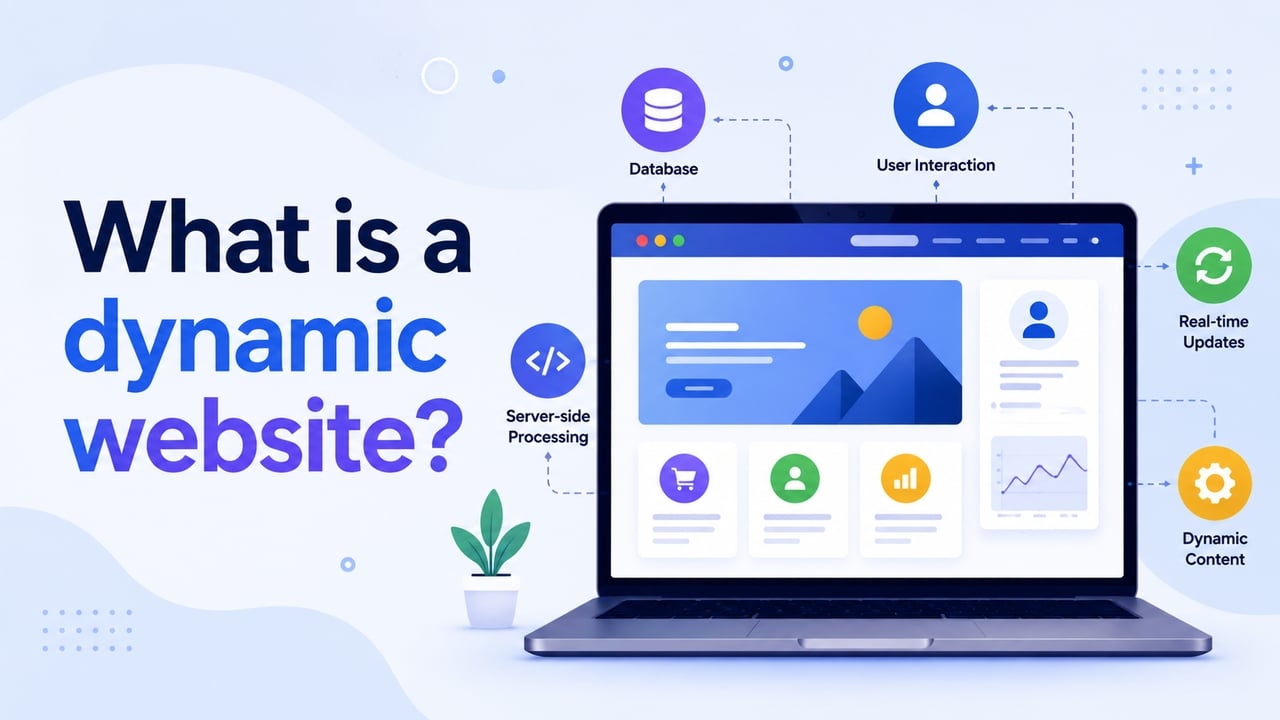
A dynamic website is a type of website that automatically updates and changes content based on user behavior, preferences, or real-time data. Unlike static websites that display the same information to every visitor, dynamic websites provide personalized and interactive experiences. These websites often use databases, server-side scripting, and content management systems to generate pages instantly.
Common examples include eCommerce stores, social media platforms, streaming services, and booking websites. Features such as user accounts, search functionality, live updates, and personalized recommendations make dynamic websites more engaging, scalable, and effective for businesses looking to improve customer experience and online performance.
How does a dynamic website work?
To understand dynamic websites, it helps to understand what happens behind the scenes when you visit a web page.
With a static site, your browser requests a file, the server sends it, and you see the page. Simple.
With a dynamic website, an extra step happens. The server doesn't just send a pre-built file — it assembles the page based on your request. Here's the general flow:
-
A user visits the website and their browser sends a request to the server.
-
The server reads that request using a server-side scripting language (like PHP, Python, or Ruby).
-
The server queries a database to fetch relevant content — user account details, product listings, personalized recommendations, etc.
-
The application server builds the HTML page dynamically and sends it to the browser.
-
The browser renders the final page for the user.
This is why two people visiting the same URL on an e-commerce site can see completely different product recommendations. The URL is the same, but the content is assembled uniquely for each visitor.
Types of dynamic Websites
Dynamic websites are mainly categorized into two types based on where the content customization happens:
- Client-side dynamic websites
These use JavaScript running in the user’s browser to modify content after the page loads. They are fast and interactive, offering smooth animations, real-time filters, and dynamic UI changes without reloading the page. Popular frameworks include React, Vue.js, and Angular. However, they have limited access to server databases.
- Server-side dynamic websites
These generate customized content on the server before sending it to the user. The server processes requests, pulls data from databases, and delivers fully formed HTML. They are more powerful for personalization, user accounts, eCommerce, and real-time data (news, inventory, etc.). Common technologies include PHP, Node.js, Python (Django/Flask), and Ruby on Rails.
Many modern websites combine both approaches (often called Full-Stack or Hybrid) to deliver the best performance and user experience.
Key features of a dynamic website
What separates a dynamic website from a static one isn't just technical architecture — it's what those features allow you to do for your visitors.
-
Personalized content: Dynamic websites show tailored content based on user behavior, location, preferences, or browsing history. This helps create a more relevant and engaging experience, improving user satisfaction, retention, and conversion rates for businesses.
-
Real-time updates: Content can be updated instantly without manually changing each page. This is useful for news portals, eCommerce stores, and dashboards where information like prices, stock, or news needs to stay accurate and up to date at all times.
-
Interactive functionality: Dynamic websites include features such as search bars, login systems, forms, live chat, and comment sections. These tools allow users to interact directly with the website, making the experience more engaging and user-friendly.
-
Database integration: They connect to databases that store and manage large amounts of information efficiently. This allows websites to retrieve, update, and display data dynamically, making them scalable and suitable for complex applications and growing businesses.
-
Responsive user experience: Dynamic websites are designed to adapt across all devices, including desktops, tablets, and smartphones. This ensures smooth navigation, fast loading, and consistent performance, improving usability and overall user satisfaction.
How to build a dynamic website with Enter Pro
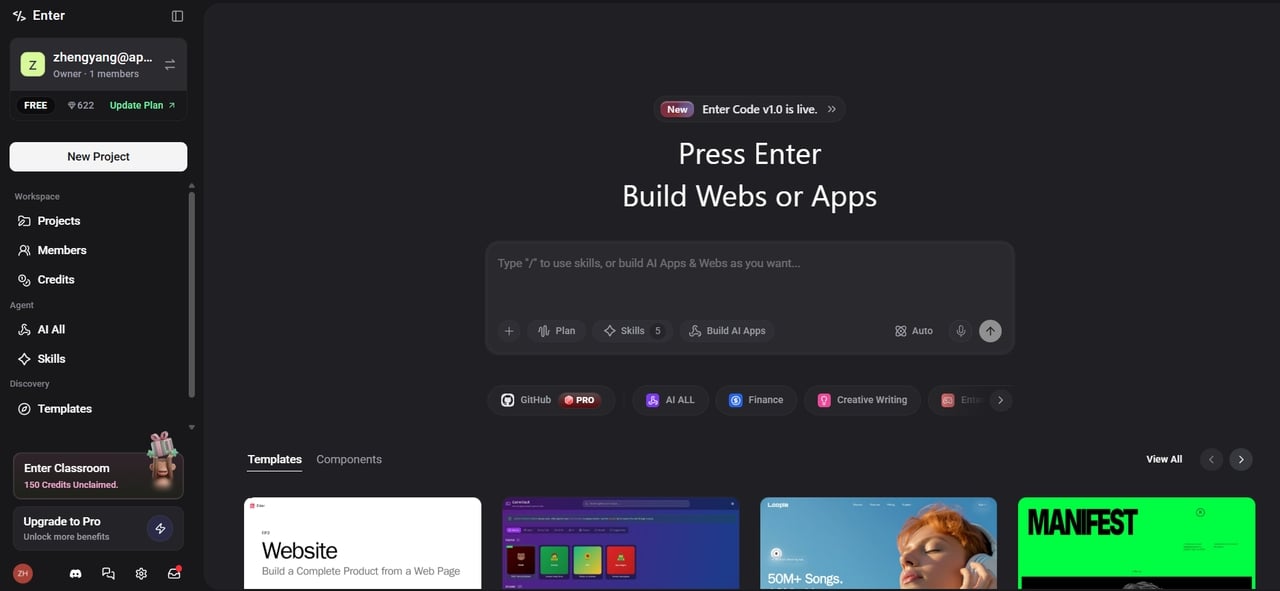
Building a dynamic website used to mean hiring developers, configuring servers, and wrestling with complex codebases. Enter Pro changes that entirely. It's an AI-powered website builder** **that lets you go from idea to live, fully functional dynamic website — simply by describing what you want. No coding required. Whether you're launching a business site, a web app, or an automated workflow, Enter Pro's AI handles the backend logic, database connections, and frontend design in one seamless environment.
Key features of Enter Pro dynamic website builder
-
**AI chat-based development: **Describe your website in plain language, and Enter Pro's AI agents (Design, Code, and Plan) instantly generate the full structure with personalization logic, dynamic pages, and interactive elements. Iterate rapidly by chatting for changes. These agents are powered by top LLMs like GPT, Claude, Gemini, and Grok.
-
Built-in backend & database: No need for separate servers. Enter Pro provides Supabase integration for databases, user authentication, storage, serverless functions, and real-time data — perfect for building truly dynamic features like user accounts and live updates.
-
Visual editor with real-time preview: Edit your dynamic website visually while seeing live changes. Adjust layouts, styles, and components directly on the canvas using a visual editor. Combine visual tweaks with AI commands for fast, precise customization.
-
One-click deployment & full code ownership: Deploy your dynamic website instantly to a global edge network. You own 100% of the clean React + Tailwind code and can export it anytime for custom hosting or further development.
Common use cases for dynamic websites
Dynamic websites aren't one-size-fits-all, but they excel across a wide range of business types.
-
E-commerce stores: E-commerce stores rely on dynamic functionality for product catalogs, shopping carts, user accounts, order tracking, and personalized recommendations. Building an online store without a dynamic backend is practically impossible at any meaningful scale.
-
News and media sites: News sites rely on dynamic systems to publish and update content in real time. Articles, headlines, and categories change frequently, while users get personalized feeds. They also display live data like weather, sports scores, and stock market updates instantly.
-
SaaS platforms and web applications: SaaS platforms are fully dynamic, generating unique dashboards and data for each user session. Features, analytics, and tools update in real time based on user actions. This personalization allows businesses to deliver flexible, scalable software experiences online.
-
Membership and community sites: These websites depend on dynamic features like user login, registration, and dashboards. Content access varies based on roles, subscriptions, or activity. Users can interact through forums, posts, and private areas, making engagement and personalization essential.
-
Portfolio and agency websites: These sites use dynamic content to showcase projects, case studies, and updates automatically. This reduces manual effort while keeping content fresh. It helps businesses present their latest work and maintain a professional, up-to-date online presence.
Best practices for dynamic website design
Great dynamic websites aren't just functional — they're also well-designed. Here are the principles that matter most.
-
Speed still counts: Dynamic pages involve more server processing than static ones. Optimize your database queries, use caching wherever possible, compress images, and leverage a content delivery network (CDN) to ensure fast load times.
-
Design for every state: Unlike static sites, dynamic pages can look different depending on who's viewing them and what data is available. Design for empty states (no search results), loading states, and error states — not just the ideal scenario.
-
Maintain visual consistency: Even as content changes dynamically, your brand's visual identity — fonts, colors, layout structure — should remain consistent across every page state and user session.
-
Prioritize mobile-first design: Build with mobile users in mind from the beginning. Dynamic websites built responsively from the ground up will always perform better than those retrofitted for smaller screens later.
-
Think about SEO from the start: Dynamic websites can rank well in search engines, but they require proper attention to URL structure, metadata, page speed, and crawlability. Make sure your platform and implementation support solid on-page SEO practices.
Real-world dynamic website examples
To see dynamic architecture in action, look at these four industry leaders. Each uses real-time data to create a completely different experience for every visitor.
- Amazon
Amazon is the gold standard of dynamic website personalization. Every visitor sees a completely different homepage — tailored product recommendations, location-based delivery estimates, and pricing that reflects their account, browsing history, and past purchases. Its real-time inventory and one-click checkout are powered entirely by dynamic backend infrastructure.

- YouTube
YouTube's entire experience is built on dynamic content. The homepage, recommendations sidebar, and autoplay queue are all generated in real time based on your watch history, subscriptions, location, and engagement patterns. With millions of new videos uploaded daily, only a dynamic architecture can surface the right content for each of its billions of users.

- Netflix
Netflix excels in dynamic content personalization. The platform generates custom rows, thumbnail images, and recommendations based on viewing habits, time of day, and user preferences. Its seamless interface with instant playback and interactive previews keeps users highly engaged on this data-driven dynamic website.

- Airbnb
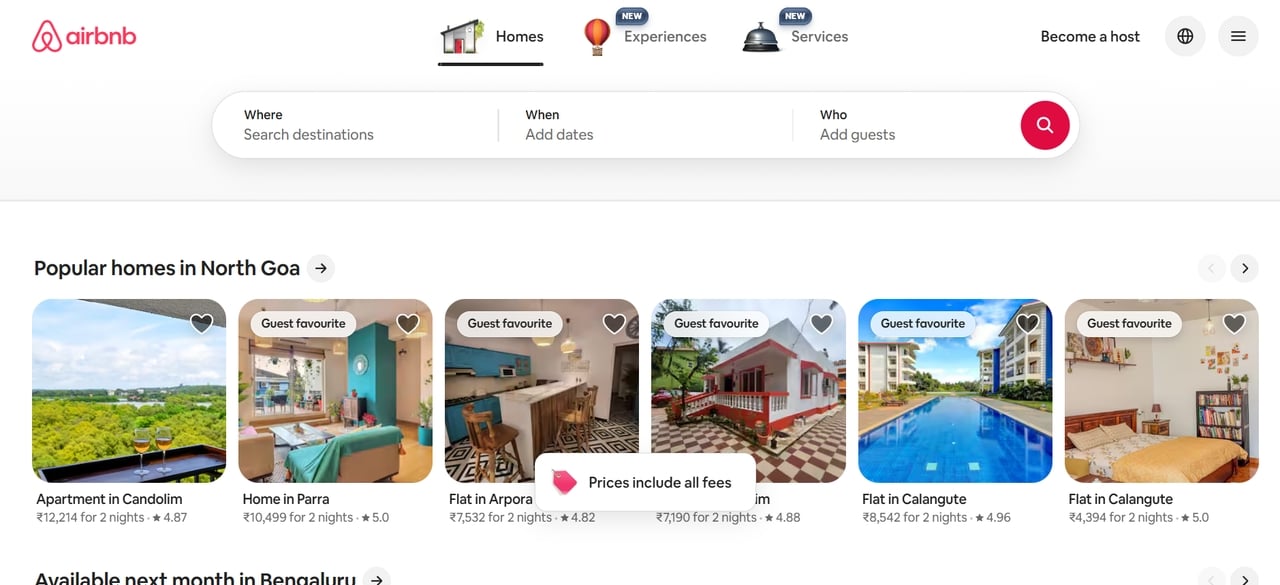
Airbnb’s dynamic website shines with real-time search results, availability calendars, dynamic pricing, and personalized travel recommendations. It adapts to user location, search history, and preferences to show relevant listings, making the booking process smooth, interactive, and highly personalized.
- The New York Times
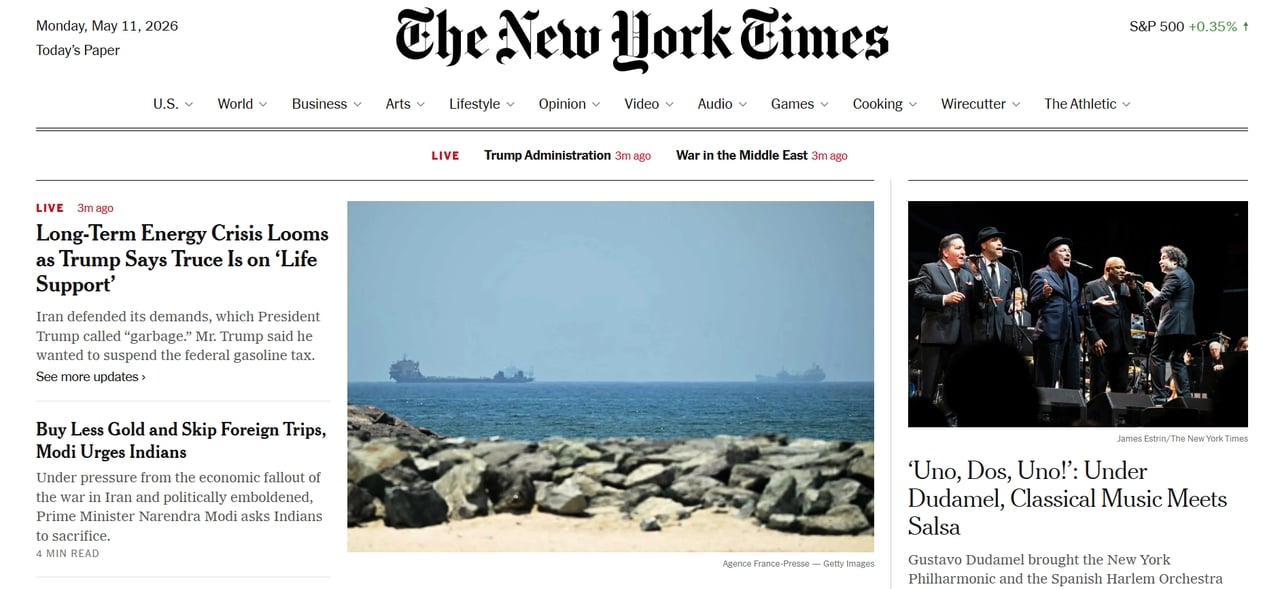
The NYT is a dynamic content website that publishes fresh articles around the clock, adapting its homepage in real time to reflect breaking news. It features live stock tickers, weather widgets, and location-based content recommendations. Editors and contributors can publish instantly — without touching a single line of HTML — thanks to its dynamic CMS infrastructure.
Conclusion
Dynamic websites have become essential in today’s digital world. They deliver personalized experiences, real-time updates, and powerful interactivity that static websites simply cannot match. From boosted user engagement to higher conversion rates, a well-built dynamic website gives businesses a significant competitive advantage. With modern tools like Enter Pro, creating a professional dynamic website is now faster and easier than ever. You no longer need advanced coding skills — just your ideas and a powerful AI assistant.
FAQs
- What is the difference between static and dynamic websites?
Static websites show the same fixed content to every visitor using pre-built HTML files. Dynamic websites generate customized content on the fly using databases and server-side scripting, enabling personalization and interactivity.
- Are dynamic websites better for SEO?
Yes, they offer superior SEO opportunities. Dynamic sites can automatically generate unique metadata for thousands of pages and frequently update content. Search engines favor these regular updates and the ability to tailor content to specific user search intents.
- How much does it cost to build a dynamic website?
Costs vary widely. Custom dynamic websites built by developers can run from a few thousand to tens of thousands of dollars. Using a website builder like Enter Pro significantly reduces cost and development time, making dynamic websites accessible without a large upfront investment.
- What are some examples of dynamic websites?
The most recognizable dynamic website examples include Amazon, YouTube, Netflix, Twitter, Reddit, Airbnb, Spotify, and LinkedIn. Each delivers a personalized, real-time experience tailored to individual users through database-driven content, recommendation engines, and live updates.
- What programming languages are used to build dynamic websites?
The most common server-side languages for dynamic websites are PHP, Python, Ruby, Java, and Node.js. These power the backend logic that connects to databases and generates content. On the frontend, JavaScript handles interactive, client-side dynamic behavior without reloading the page.